

Introduction
A small backyard doesn’t mean your dog has to miss out on a comfortable outdoor space. In fact, compact spaces often lead to smarter, more efficient dog house designs that are easier to maintain.
The goal isn’t to build something big—it’s to build something that works. When you focus on layout, airflow, and comfort, even a small dog house can feel like the perfect retreat. These DIY ideas are simple, practical, and designed for real spaces.
1. Compact Box Dog House That Fits Anywhere

A simple box-style dog house is one of the easiest builds for small yards. It uses minimal space while still giving your dog a secure place to rest.
Because of its clean shape, it fits neatly into corners or along walls. This makes it ideal when every inch of space matters.
2. Raised Dog House That Keeps It Clean

Lifting the dog house slightly off the ground helps keep it dry and reduces dirt buildup. This is especially useful in smaller yards where mud can become an issue.
It also improves airflow underneath, making the space more comfortable in different weather conditions.
3. Corner Dog House That Saves Space

Using a corner layout reduces how much area the dog house takes up. It naturally fits into your yard without interrupting movement.
This setup feels more organized and leaves the rest of your space open.
4. Wooden Crate-Style Dog House for Simplicity

A crate-style design is simple to build and easy to adjust. It works well for beginners who want a straightforward project.
The open structure keeps things light while still providing a defined resting space.
5. Sloped Roof Dog House That Handles Weather

A slanted roof prevents water from collecting and helps protect the structure over time.
It also adds a classic look without making the design complicated.
6. Multi-Use Dog House with Storage

Combining a dog house with small storage space helps maximize functionality in a compact yard.
You can keep supplies nearby without adding extra structures.
7. Minimal Frame Dog House That Feels Light

A simple frame design avoids bulk and keeps the dog house visually clean.
This makes the entire setup feel less crowded, which is important in smaller spaces.
8. Portable Dog House for Flexible Layout

A lightweight dog house that can be moved allows you to adjust your yard as needed.
This flexibility is useful when working with limited space.
9. Open-Side Dog House for Airflow

An open or partially open side improves ventilation and keeps the space from feeling closed in.
This works especially well in warmer climates where airflow matters more.
10. Low-Profile Dog House That Stays Subtle

A lower-height design keeps the structure from dominating your yard.
It blends more naturally into the space while still providing comfort.
11. Balanced Design That Feels Complete
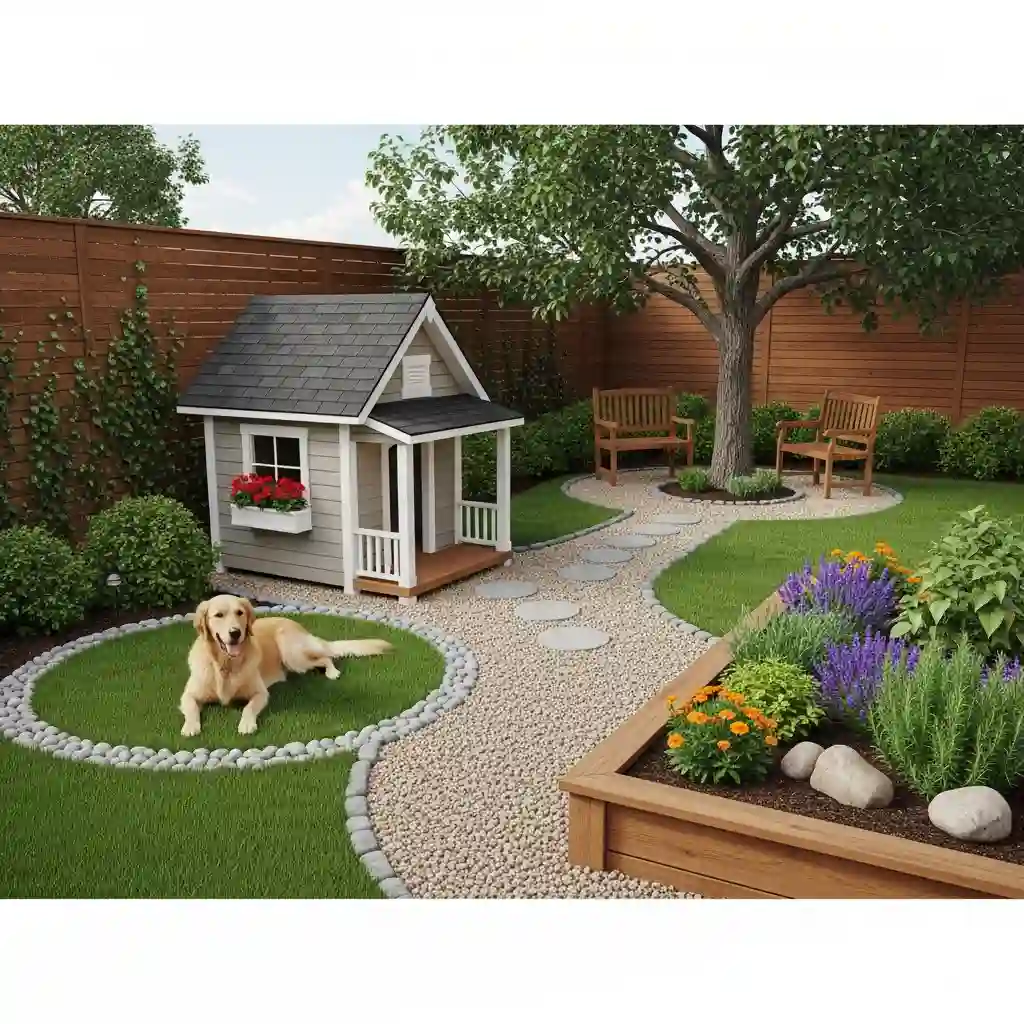
When the size, shape, and placement all work together, the dog house feels like part of the yard.
Nothing feels out of place, and the setup stays practical and easy to use.
Styling Tips
Keep your design simple so it doesn’t overwhelm your backyard.
Use materials that match your outdoor space for a more natural look.
Focus on comfort first—everything else follows from that.
Final Thoughts
A small backyard doesn’t limit your options it just encourages smarter design. With the right approach, a DIY dog house can feel comfortable, practical, and well-placed.
Start simple, build what works, and improve over time. The best setups are the ones that grow with your needs.
