


Introduction
A dog crate shouldn’t feel like a cage. When done right, it becomes a safe, quiet place where your dog can relax and feel secure. The design matters more than people think.
DIY crates give you control. You can match your space, improve comfort, and avoid the cold, harsh feel of basic crates. These ideas focus on simple builds that keep your dog calm while still looking clean in your home.
1. Wooden Frame Crate That Feels Warm

A basic wooden frame creates a softer, more natural space compared to metal crates. It feels less stressful and blends better with your home.
The warmth of wood makes the crate feel like a resting spot, not confinement. This helps your dog settle faster.
2. Crate with Soft Interior Bedding

Adding thick, soft bedding changes everything. It turns the crate into a comfortable sleeping area instead of a hard surface.
Dogs relax more when the space feels cozy. Comfort directly affects how calm they feel.
3. Covered Crate That Feels Secure

Covering part of the crate reduces outside distractions. It creates a den-like environment where your dog feels safe.
This is especially helpful for anxious dogs that need a quieter space.
4. Furniture-Style Crate That Blends In

A crate designed like furniture (side table or bench style) keeps your home looking clean.
It doesn’t feel like a pet item it feels like part of your space. This makes it easier to keep it in daily use areas.
5. Open-Front Crate for Easy Access

An open or wider front design makes the crate feel less closed off. It helps your dog enter and exit comfortably.
This reduces hesitation and makes the crate feel more welcoming.
6. Raised Crate That Stays Clean

Lifting the crate slightly off the ground keeps it dry and cleaner. It also improves airflow.
This small detail makes maintenance easier and improves comfort.
7. Corner Crate That Saves Space

Placing the crate in a corner keeps it out of the way while still giving your dog a defined space.
It helps your home feel more organized and less crowded.
8. Minimal Design That Reduces Stress

Keeping the crate simple avoids overstimulation. Too many elements can make the space feel busy.
A clean design helps your dog relax faster and stay calm longer.
9. Crate with Ventilation for Comfort

Good airflow is important. A crate that allows air to move freely keeps the space fresh.
This prevents heat buildup and keeps your dog comfortable inside.
10. Neutral Color Crate That Feels Calm

Using soft, neutral tones creates a relaxing environment. Bright or harsh colors can feel overwhelming.
A calm visual setup supports a calm mindset for your dog.
11. Personalized Crate Setup for Routine
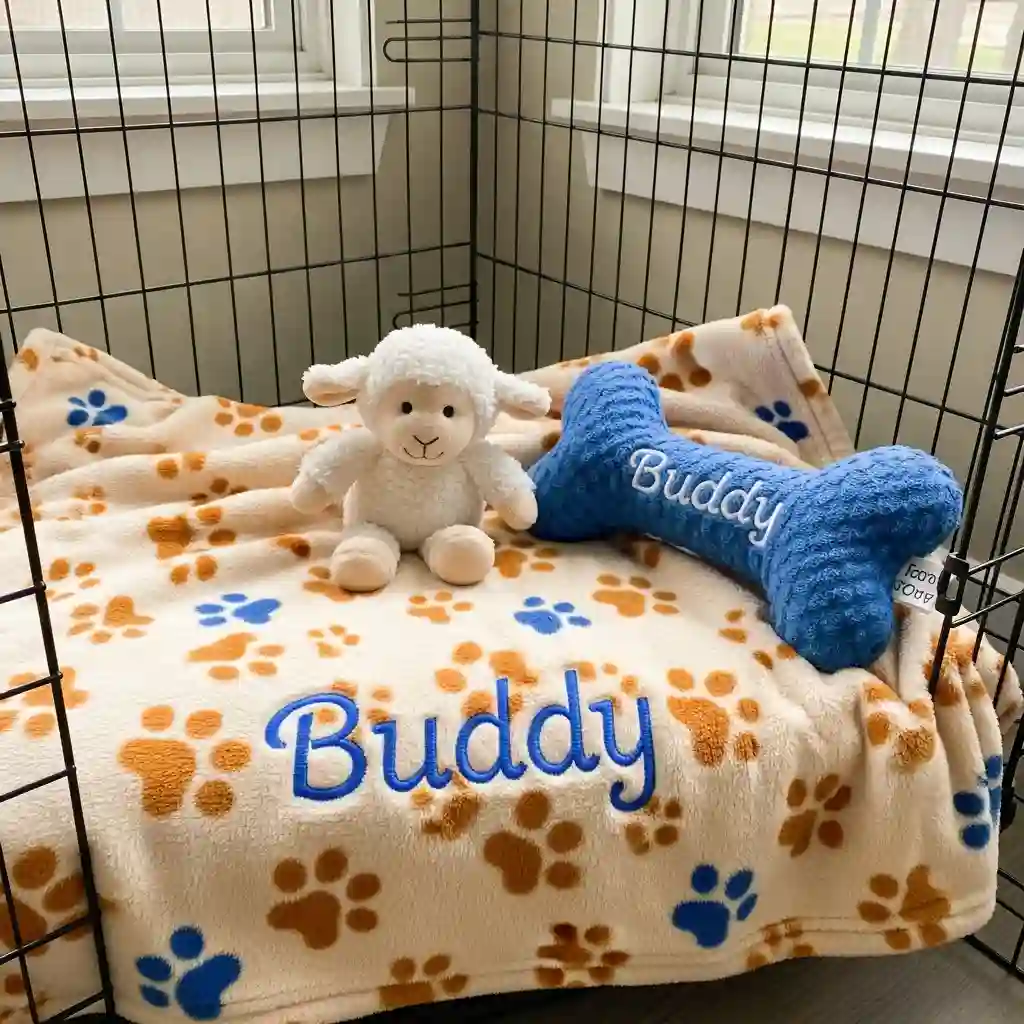
Adding familiar items like a toy or blanket makes the crate feel safe and personal.
Dogs respond well to routine, and this helps them settle quickly.
12. Balanced Design That Feels Like a Safe Zone

When comfort, airflow, and placement all work together, the crate becomes a safe zone.
Your dog chooses to rest there instead of avoiding it—and that’s the real goal.
Styling Tips
Keep the crate simple and comfortable
Use soft bedding for better relaxation
Place it in a quiet, low-traffic area
Final Thoughts
A crate should feel like a calm space, not a restriction. When you design it with comfort and simplicity in mind, your dog naturally accepts it.
Small changes in design can make a big difference. A well-made crate doesn’t just look good it improves your dog’s daily comfort and behavior.
