


Introduction
A dog house should feel like a safe retreat, not just a shelter. Rustic designs do this especially well because they focus on warmth, natural materials, and a grounded feel that blends into your backyard.
The beauty of rustic dog houses is their simplicity. They don’t rely on complicated features—instead, they use thoughtful structure and materials to create comfort and protection. These ideas focus on designs that keep your dog warm, safe, and relaxed while still looking natural and well-built.
1. Solid Wood Cabin-Style Dog House

A cabin-style dog house made from thick wood panels provides natural insulation. The solid structure helps block wind and keeps warmth inside.
This design feels sturdy and reliable. It creates a space where your dog can rest comfortably, especially during colder weather.
2. Raised Wooden Dog House with Open Base

Lifting the dog house slightly off the ground helps prevent moisture from seeping in. It keeps the interior dry and more comfortable.
The raised design also improves airflow underneath, which helps maintain a balanced temperature inside.
3. Sloped Roof Design That Handles Weather Well

A sloped roof allows rain to run off easily instead of collecting on top. This keeps the structure in better condition over time.
It also helps protect the interior from leaks, making the space more secure during rough weather.
4. Small Enclosed Design That Holds Warmth

A compact dog house keeps heat inside more effectively than a large one. The smaller space feels more secure and cozy.
This is especially useful for colder climates where retaining warmth is important.
5. Wood and Straw Interior for Natural Insulation

Adding straw or soft natural bedding inside helps trap warmth and adds comfort.
This creates a more inviting space while also improving insulation without needing complex materials.
6. Log-Style Dog House That Feels Rustic and Strong

Using rounded wood or log-style construction gives the dog house a classic rustic look.
It’s not just about appearance—the thicker structure also provides better protection from the elements.
7. Covered Entry That Blocks Wind

A small extended roof over the entrance helps block direct wind and rain from entering.
This simple feature can make a big difference in keeping the interior warm and dry.
8. Neutral-Toned Wood That Blends Into the Yard

Keeping the wood in natural or muted tones helps the dog house blend with outdoor surroundings.
It creates a calm, cohesive look instead of something that stands out too much.
9. Insulated Floor Design for Extra Warmth

Adding an extra layer to the floor helps prevent cold from coming up through the ground.
This improves comfort, especially during colder seasons.
10. Balanced Size Design That Feels Just Right
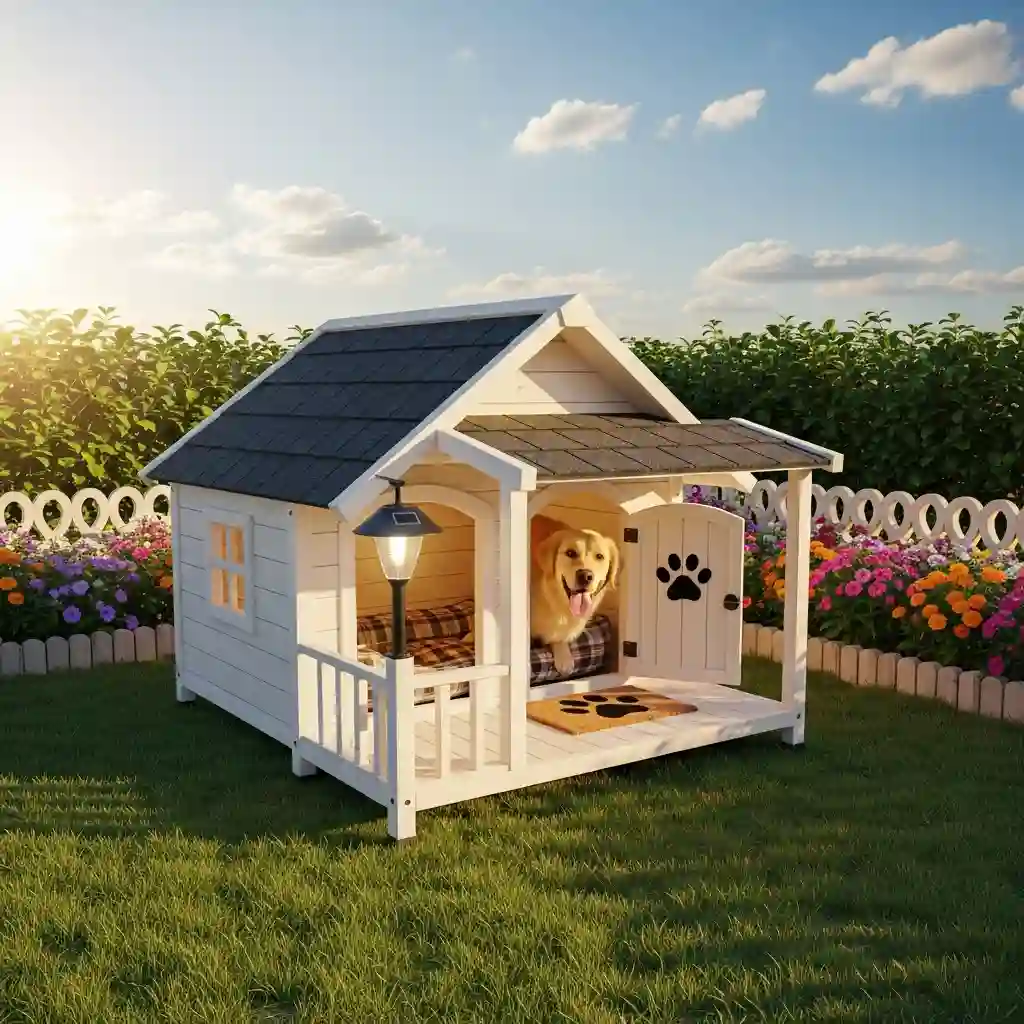
A dog house that’s properly sized for your dog will always feel more comfortable. Too large, and it loses warmth. Too small, and it feels restrictive.
Finding the right balance ensures your dog feels secure while still having enough room to move.
Styling Tips
Focus on durability and warmth over decoration. A strong structure always matters more.
Use natural materials that can handle outdoor conditions and age well over time.
Keep the design simple so it’s easy to maintain and clean.
Final Thoughts
A rustic dog house isn’t just about how it looks—it’s about how it feels for your dog. When warmth, protection, and comfort come together, the space becomes more than just shelter.
With the right design, your dog gets a place that feels safe, calm, and truly their own. That’s what makes these rustic ideas so effective.
