
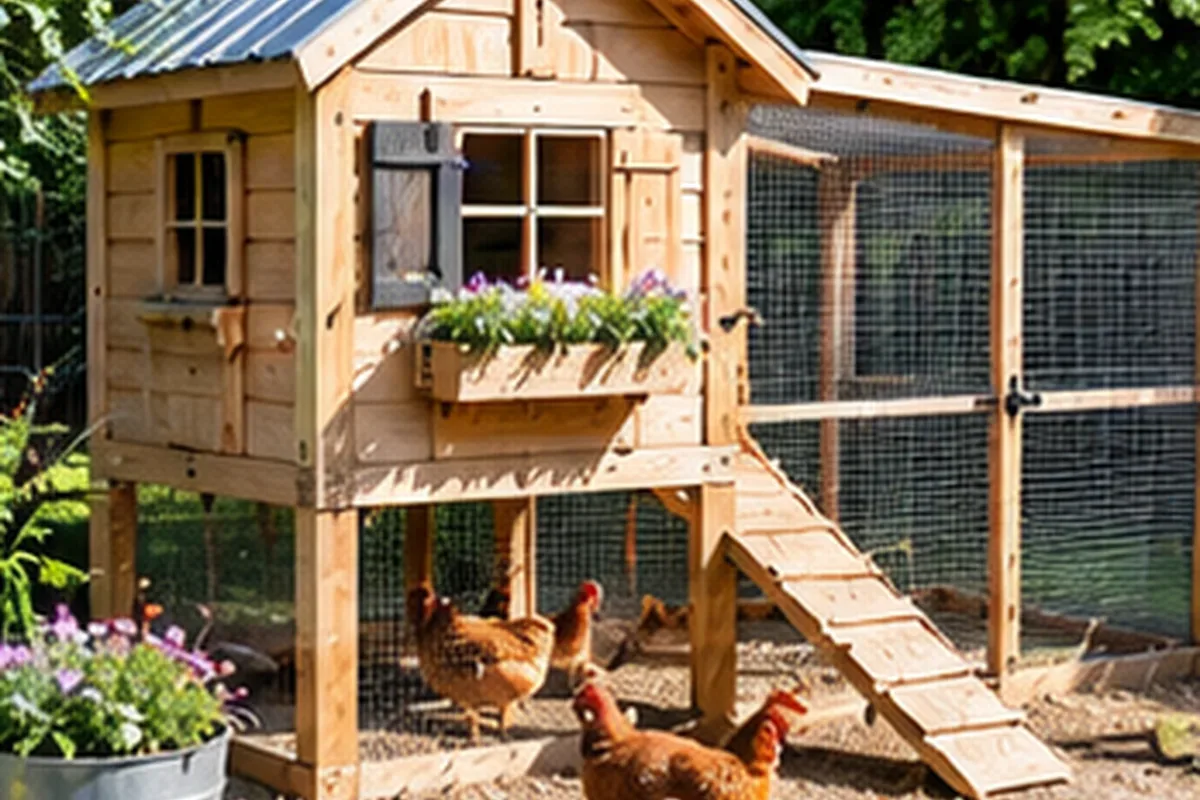
Beginner Chicken Coop Setup: A Practical Start-to-Finish Guide
A beginner coop should prioritize predator protection, dry shelter, ventilation, easy cleaning, secure nighttime housing, suitable roosts and nest boxes, and enough…
A beginner coop should prioritize predator protection, dry shelter, ventilation, easy cleaning, secure nighttime housing, suitable roosts and nest boxes, and enough…
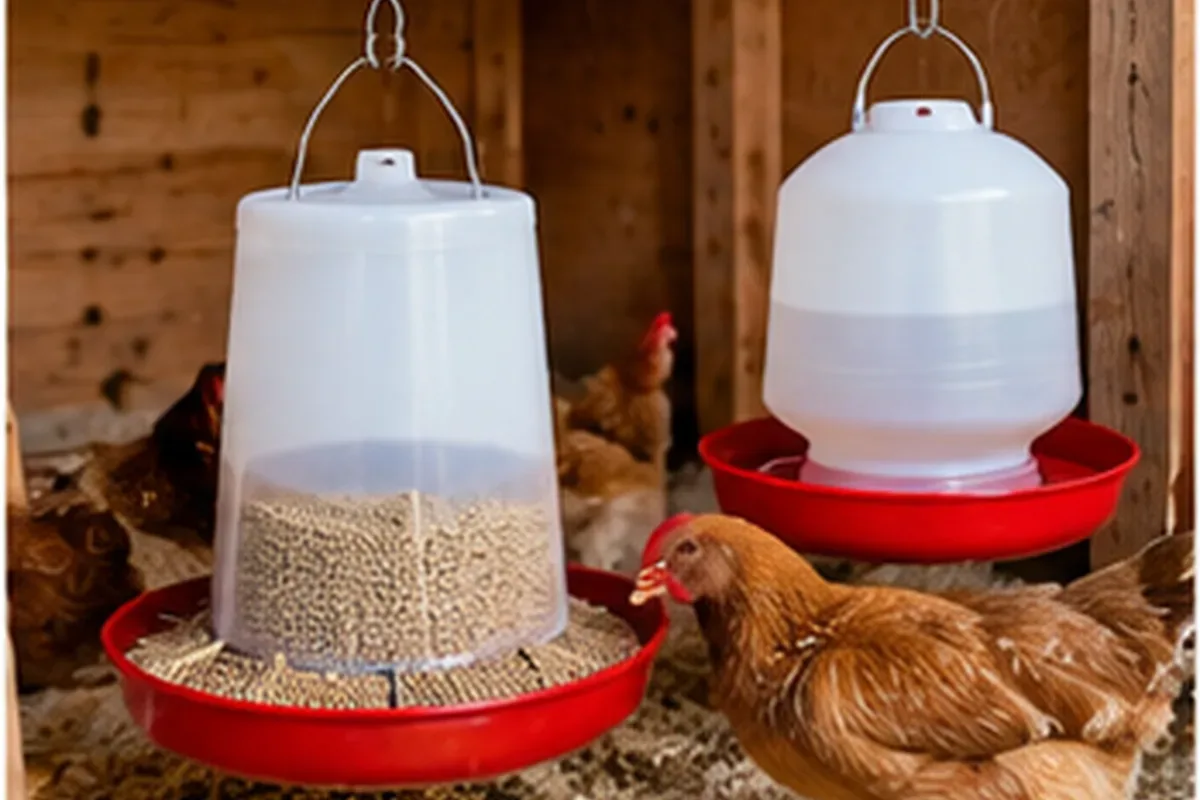
Chicken space requirements depend on breed, flock size, time spent indoors, climate, enrichment, and how the run is managed; crowding increases stress…
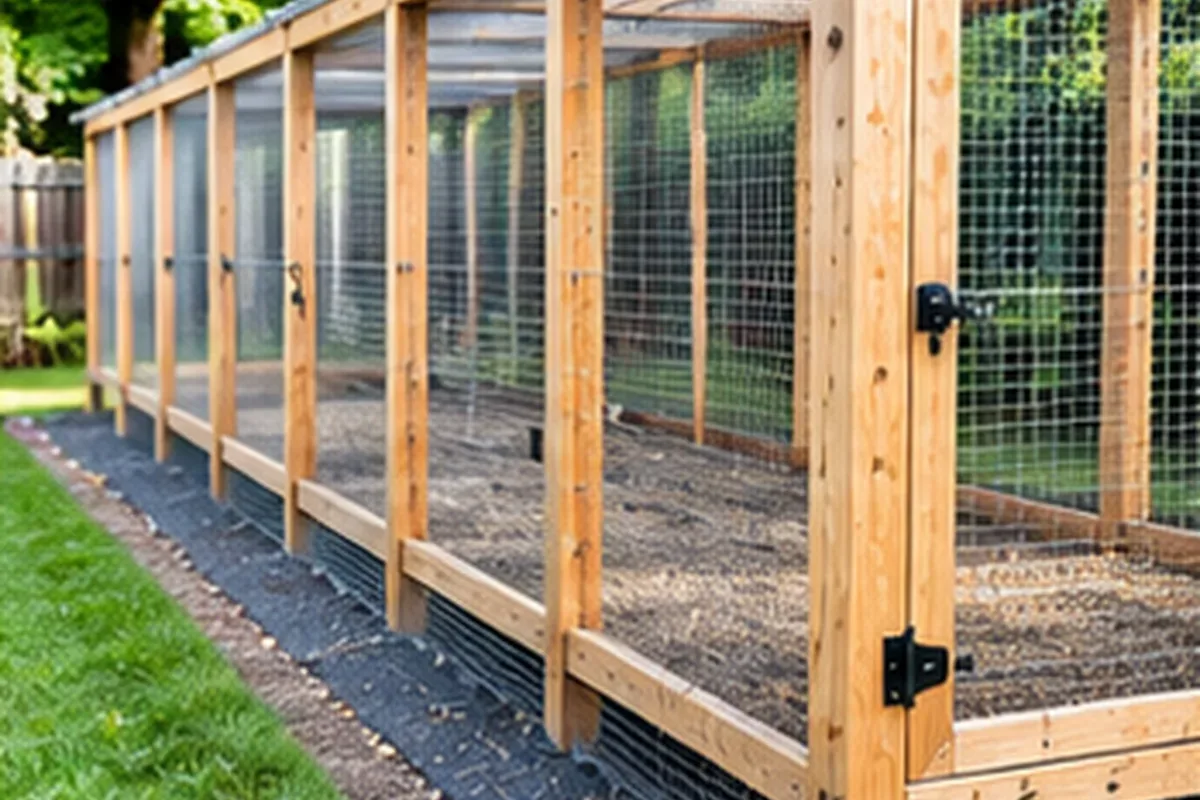
A good chicken run gives the flock room to move, escape social pressure, forage, dust bathe, rest in shade, and reach food…
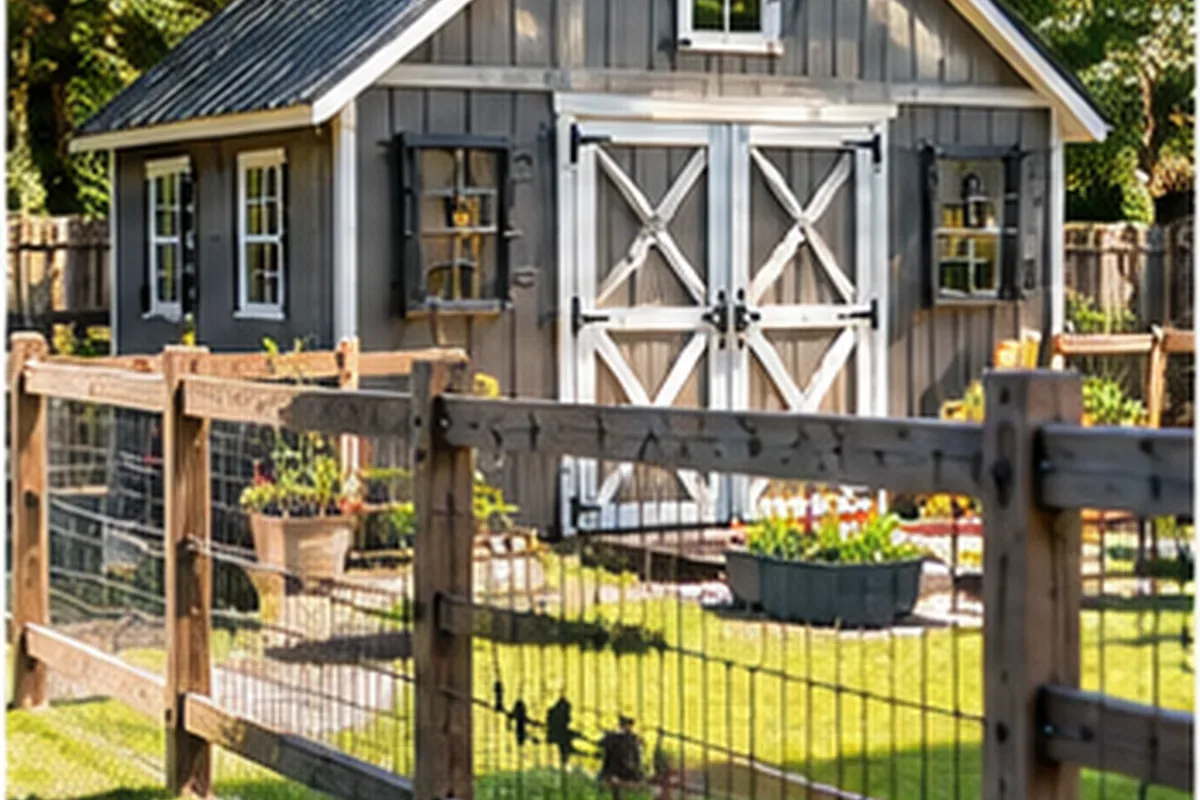
Predator-proofing requires layers: strong mesh, secure locks, protected ground-level gaps, covered openings, nighttime routines, and regular inspection for new weak points.
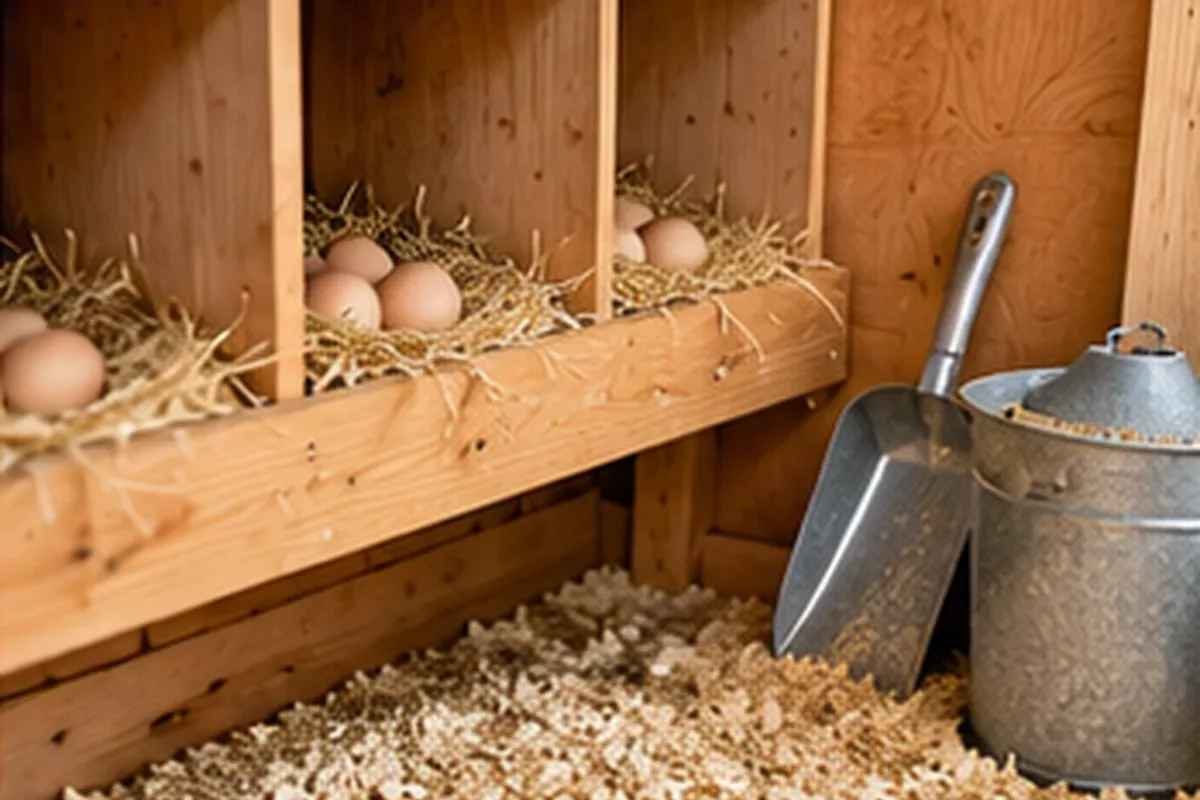
Good coop bedding helps manage moisture, manure, odor, comfort, and cleaning; the right material depends on climate, coop design, availability, dust, and…
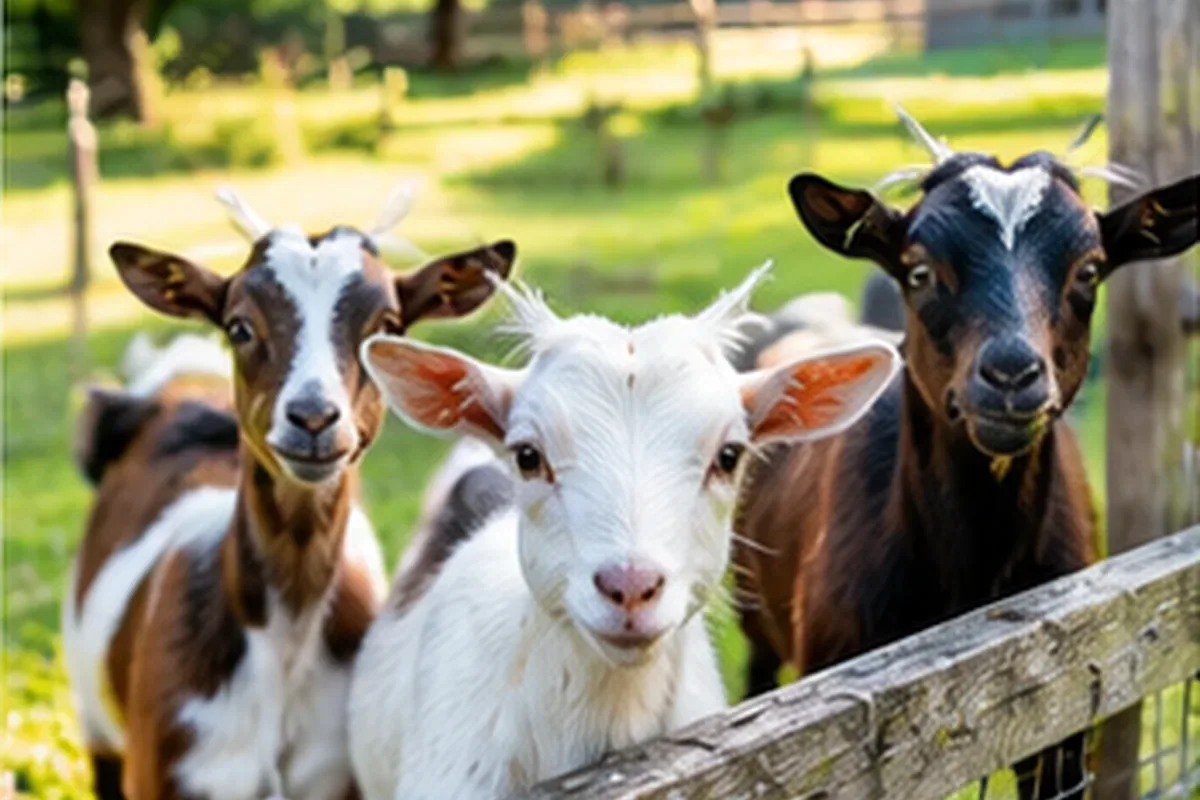
Goat fencing must be tall, strong, tight, regularly inspected, and matched to the animals; goats test weak gates, climb, lean, and exploit…
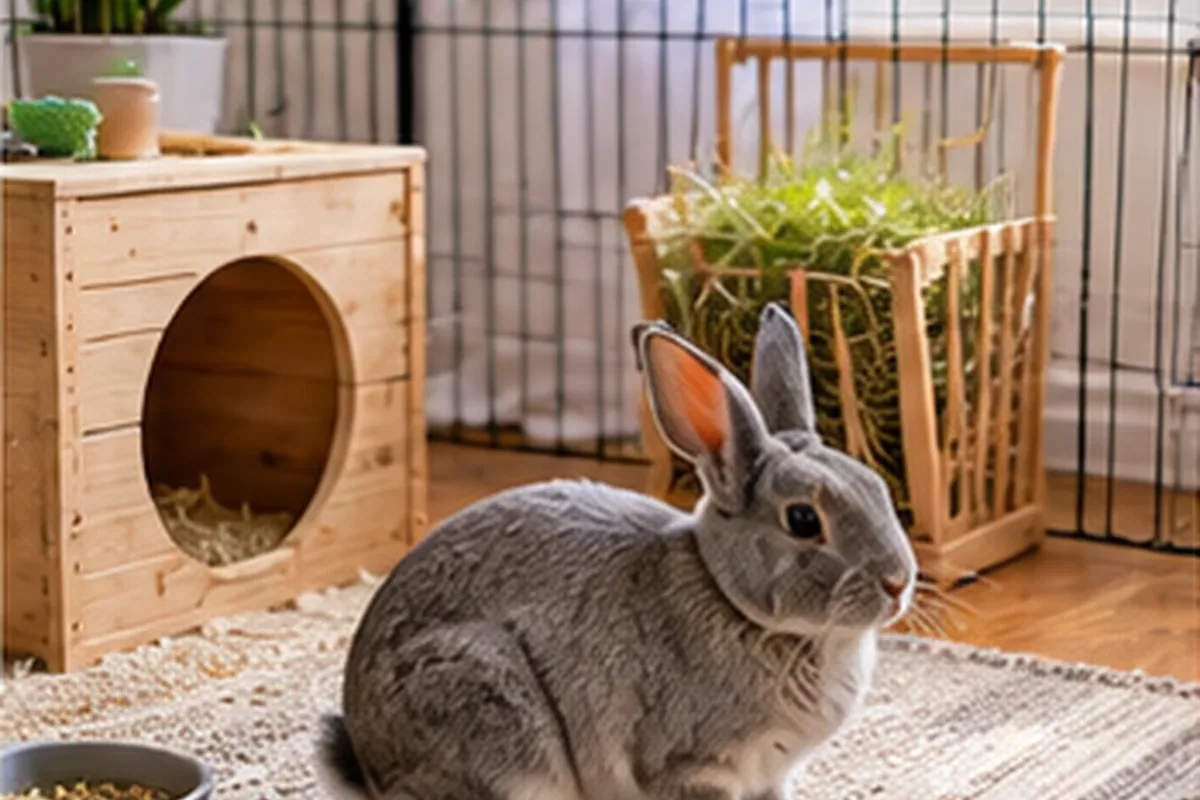
Rabbits need enough secure space to stand, stretch, hop, explore, hide, eat hay, and rest; a small traditional hutch alone is rarely…
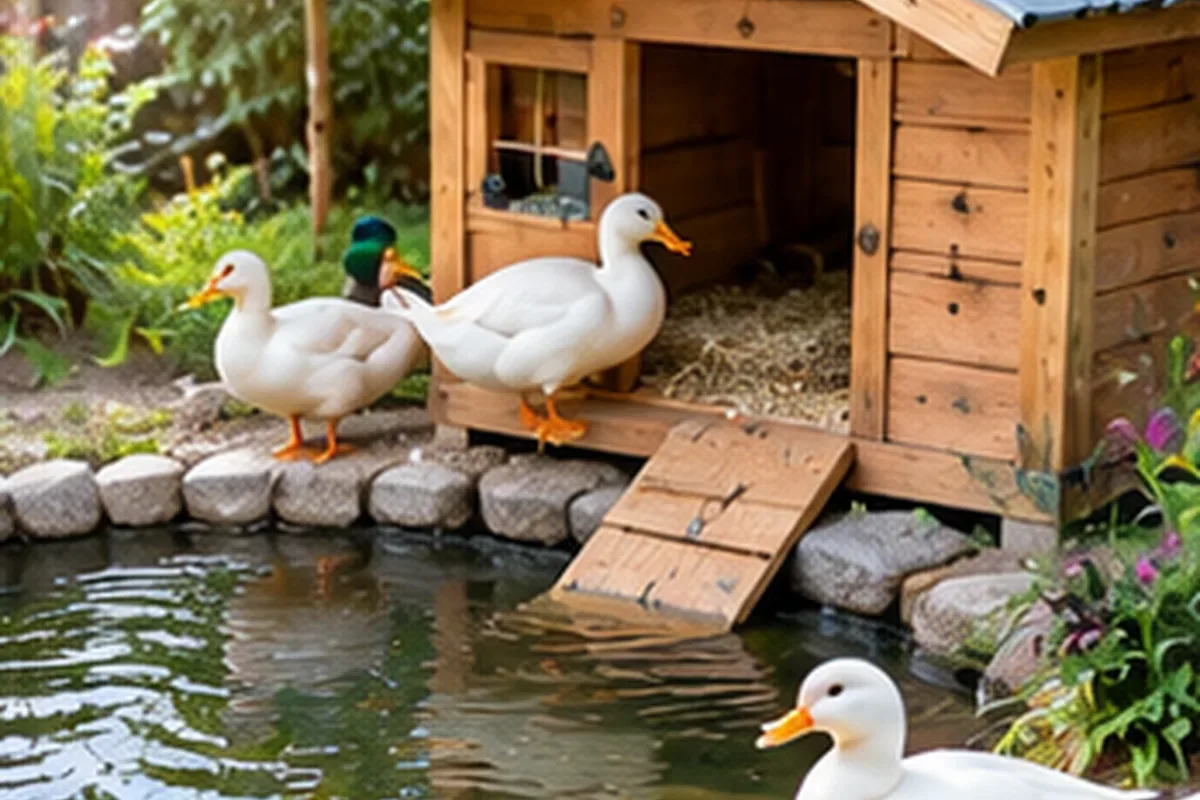
Ducks need secure nighttime shelter, clean drinking water deep enough to rinse their bills, dry resting areas, shade, and a plan for…