
Crate Training Schedule for Beginners: A Calm, Step-by-Step Approach
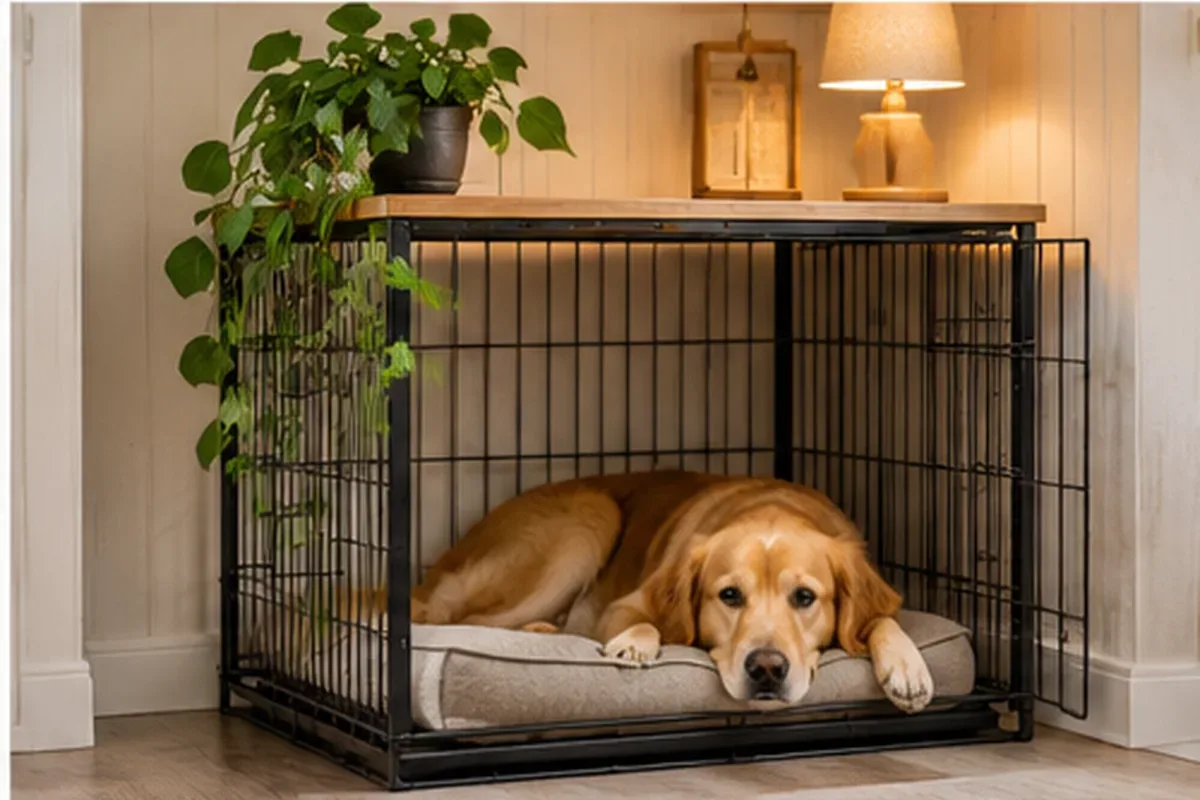
A practical pet home works best when the setup supports normal behavior and is easy for people to maintain every day. Dogs vary widely in age, size, breed tendencies, health, and confidence, so every recommendation should be adjusted to the individual dog. Use reward-based handling and consult a veterinarian or qualified behavior professional when pain, fear, aggression, or sudden behavior change may be involved.
Crate Training Schedule for Beginners: A Calm, Step-by-Step Approach becomes much easier to manage when you break it into a few decisions: what the animal needs, what the space allows, what must stay safe, and what your household can clean or repeat consistently. This guide focuses on those practical decisions rather than chasing a one-size-fits-all answer.
What a good setup should accomplish
The best version of this setup should make daily care easier while supporting normal behavior. It should be safe, easy to reach, simple to clean, and flexible enough to adjust as your pet ages or your household changes. If a system depends on remembering ten complicated steps, it usually breaks down. If it gives the animal a clear, comfortable option and gives people an obvious routine, it is much more likely to last.
Before you buy anything permanent, look at the problem from the animal’s point of view. Think about body size, movement, traction, noise, smell, temperature, ability to retreat, and access to food, water, rest, or enrichment. Then look at the same space from the human side: cleaning, storage, walking paths, children, visitors, and maintenance. The overlap between those two perspectives is where the most practical design usually appears.
Before you start
Spend a few days observing the current routine. Note where mess appears, where the pet hesitates, which items are used most, and what gets moved from room to room. Measure important clearances before buying equipment and make sure household members agree on where supplies will live. This small planning stage is especially useful for crate training schedule for beginners: a calm, step-by-step approach because it prevents you from solving the wrong problem.
Also separate convenience from safety. A basket may be convenient, but food, medicine, cleaning chemicals, sharp tools, electrical cords, and escape routes need secure storage or physical barriers. When a topic overlaps with health, mobility, behavior, or nutrition, use this guide as general education and ask your veterinarian or an appropriately qualified professional for advice specific to your animal.
Step-by-step approach
1. Place the crate in a calm part of daily life
Start by observing how the space or routine works now. The point is to solve a real friction point rather than add equipment that looks useful but sits unused. In the context of Crate Training Schedule for Beginners: A Calm, Step-by-Step Approach, this step is most successful when it is clear, easy to repeat, and matched to the animal’s actual needs rather than a generic checklist.
2. Start with the door open and reward voluntary entry
Make the change small enough that you can test it for several days. That gives you time to notice whether the animal is comfortable and whether the household can maintain it. In the context of Crate Training Schedule for Beginners: A Calm, Step-by-Step Approach, this step is most successful when it is clear, easy to repeat, and matched to the animal’s actual needs rather than a generic checklist.
3. Feed meals or special chews near or inside the crate
Keep access, cleaning, and safety in mind at the same time. A setup that is awkward to maintain will usually become inconsistent even if it looks excellent on day one. In the context of Crate Training Schedule for Beginners: A Calm, Step-by-Step Approach, this step is most successful when it is clear, easy to repeat, and matched to the animal’s actual needs rather than a generic checklist.
4. Close the door for very short calm periods
Use the animal’s normal behavior as feedback. If the pet avoids the area, struggles with the equipment, or repeatedly chooses another option, change the setup instead of forcing compliance. In the context of Crate Training Schedule for Beginners: A Calm, Step-by-Step Approach, this step is most successful when it is clear, easy to repeat, and matched to the animal’s actual needs rather than a generic checklist.
5. Practice brief departures while you remain nearby
Photograph or measure the area before buying permanent equipment. Simple planning prevents many common sizing, clearance, and storage mistakes. In the context of Crate Training Schedule for Beginners: A Calm, Step-by-Step Approach, this step is most successful when it is clear, easy to repeat, and matched to the animal’s actual needs rather than a generic checklist.
6. Increase time gradually and keep bathroom needs realistic
Once the basic version works, improve it gradually. Extra storage, decorative finishes, or more advanced enrichment should come after function is proven. In the context of Crate Training Schedule for Beginners: A Calm, Step-by-Step Approach, this step is most successful when it is clear, easy to repeat, and matched to the animal’s actual needs rather than a generic checklist.
Common mistakes that make the setup harder
Most problems come from making the system harder to use than it needs to be. The following mistakes are worth checking before you spend more money or rebuild the space:
- Using the crate only when leaving the house — fix the underlying routine first, then choose equipment that supports it.
- Closing the door before the dog is comfortable entering — fix the underlying routine first, then choose equipment that supports it.
- Expecting a young puppy to hold its bladder too long — fix the underlying routine first, then choose equipment that supports it.
- Using the crate as punishment after unwanted behavior — fix the underlying routine first, then choose equipment that supports it.
Another common mistake is changing too many variables at once. If you replace the location, product, routine, and reward system on the same day, it becomes difficult to tell what helped. Make one or two changes, observe the result, and then continue.
Cleaning and maintenance
Maintenance should be designed into the setup rather than treated as a separate chore. Keep the tools used most often close to the task, choose washable or wipeable materials, and make it possible to reach corners without moving heavy furniture. A quick daily reset usually prevents the larger weekly mess that makes pet care feel overwhelming.
For crate training schedule for beginners: a calm, step-by-step approach, build a simple schedule around visible condition instead of only the calendar. Hair, moisture, food residue, litter, dust, bedding, and outdoor debris accumulate at different rates depending on the pet and season. Clean sooner when odor, dampness, residue, or contamination appears, and replace worn items when they become difficult to sanitize or no longer function safely.
Safety details worth checking
Dogs vary widely in age, size, breed tendencies, health, and confidence, so every recommendation should be adjusted to the individual dog. Use reward-based handling and consult a veterinarian or qualified behavior professional when pain, fear, aggression, or sudden behavior change may be involved.
Check stability, pinch points, sharp edges, cords, small swallowable pieces, toxic plants, cleaning products, ventilation, and escape routes. Supervise new equipment until you know how your pet interacts with it. If the animal repeatedly avoids the setup, shows distress, develops a sudden behavior change, or appears painful, stop assuming the problem is purely environmental and seek professional guidance.
Budget-friendly ways to improve the setup
You do not need a custom renovation to get most of the benefit. Start with the highest-friction part of the routine: one washable mat, one correctly sized storage bin, one better-placed scratching surface, one safer enclosure improvement, or one additional resting place can have more impact than an expensive decorative upgrade. Reuse furniture only when it is stable, easy to clean, and safe for the animal.
If you are renting, favor removable hooks, freestanding shelving, washable covers, exercise pens, tension-mounted barriers where appropriate, and furniture that can move with you. If you own the home, test a temporary version before building permanent cabinetry, plumbing, wall shelves, or outdoor structures. A week of real use often reveals changes you would never notice on a drawing.
Practical checklist
- The animal can reach and use the setup comfortably.
- The main surfaces are stable, easy to clean, and appropriate for the species.
- Food, medicine, chemicals, cords, and sharp items are secured.
- The household knows where daily-use supplies belong.
- There is enough room for the pet to move away rather than feeling trapped.
- You have a simple maintenance routine and backup plan for travel, weather, or schedule changes.
Frequently asked questions
Where should the crate go?
Choose a place where the dog can rest without feeling isolated, while still avoiding constant foot traffic and noise. The most useful approach is to watch how your own animal responds and adjust gradually rather than forcing a setup that only works on paper.
How long does crate training take?
Some dogs settle quickly while others need days or weeks. Progress depends on history, age, temperament, and how gradually training is introduced. The most useful approach is to watch how your own animal responds and adjust gradually rather than forcing a setup that only works on paper.
Should I cover the crate?
Some dogs relax with partial coverage while others prefer a clear view. Keep airflow good and observe what helps your individual dog settle. The most useful approach is to watch how your own animal responds and adjust gradually rather than forcing a setup that only works on paper.
What if my dog panics in the crate?
Severe distress is different from mild protest. Stop escalating duration and seek guidance from a veterinarian or qualified behavior professional if your dog shows intense panic or self-injury risk. The most useful approach is to watch how your own animal responds and adjust gradually rather than forcing a setup that only works on paper.
Related reading
- Dog Mudroom Ideas That Make Cleanup Easier
- How Much Exercise Does a Dog Need? A Practical Daily Guide
- Puppy-Proofing Your Home: A Room-by-Room Checklist
Where to verify pet-care information
For health, nutrition, medication, behavior emergencies, and species-specific husbandry, verify information with your veterinarian and reputable organizations such as the American Veterinary Medical Association, ASPCA, Humane Society resources, veterinary schools, or recognized species-specific welfare organizations. Product instructions and local regulations should also be checked directly because they can change over time.
How to evaluate the setup after the first week
After seven to ten days, review the system instead of assuming the first version is final. Ask whether the pet is using it voluntarily, whether cleaning takes less time, whether traffic through the room is smoother, and whether any supplies keep migrating to another location. Those small signals tell you whether the design supports real behavior. If one part is consistently ignored, simplify it. If one area becomes dirty quickly, improve the surface or maintenance routine rather than adding more decorative storage.
It also helps to separate pet preference from novelty. Some animals investigate a new item enthusiastically for a day and then stop using it; others avoid new furniture or equipment until it carries familiar scent and becomes part of the normal environment. Give reasonable adjustment time, but never force an animal into equipment that causes fear or physical difficulty. In a multi-pet home, check whether one animal is blocking another from a resource. Duplicate important resources when competition is possible.
Finally, write down the routine in one sentence that every household member can follow. For example: “wipe paws, hang leash, replace towel,” or “scoop box, top up litter, wipe surrounding mat.” The simpler the routine, the more likely it survives busy days. This is especially important with crate training schedule for beginners: a calm, step-by-step approach, because consistency usually matters more than having the most elaborate products or furniture.
Use that first-week review to decide what should stay visible and what should move into storage. Daily items should be reachable without opening several cabinets, while backup supplies, medications, cleaning chemicals, and rarely used gear should be protected and clearly separated. This small distinction reduces clutter and also makes it easier to notice when something needs replacing. In homes with children or multiple pets, secure storage becomes even more important because an item that is safe for one animal may not be safe for another.
Seasonal changes deserve a second review as well. Wet weather, shedding seasons, hotter rooms, shorter daylight, holiday visitors, school schedules, or travel can change how a pet uses the same space. A setup that worked perfectly in spring may need more towels, better shade, a quieter resting zone, or different cleaning frequency later in the year. Treat the environment as something you maintain, not something you finish once.
The final test is whether the system reduces friction. If you can complete the routine quickly, the pet can use the space comfortably, and cleanup feels predictable, you probably have the right level of complexity. If everyone avoids the system, simplify it. Good pet-living design is not about adding more products; it is about making the safest and most useful choice easy to repeat every day.
Final thoughts
Crate Training Schedule for Beginners: A Calm, Step-by-Step Approach does not need to be complicated to work well. Build the safest, simplest version first, watch how the animal uses it, and make improvements from real behavior rather than assumptions. A professional-looking pet home is ultimately one where care is easy to repeat, cleaning is manageable, and the pet has comfortable choices every day.