


Introduction
Outdoor cats need more than just a shelter they need warmth, protection from wind, and a dry place to rest. A simple setup without insulation won’t be enough in cold weather.
The right design traps heat, blocks moisture, and keeps the inside comfortable. These ideas are practical, easy to build, and actually help cats stay warm during winter.
1. Insulated Wooden Cat House That Holds Heat

Adding insulation between wooden layers keeps warmth inside and blocks cold air.
This is one of the most effective ways to protect cats in winter.
2. Styrofoam Box Shelter That Traps Warmth

A simple foam box holds heat very well. Add a small entrance and soft bedding.
It’s lightweight, cheap, and surprisingly warm.
3. Raised Outdoor Cat House That Stays Dry

Keeping the house off the ground prevents cold and moisture from entering.
It also helps reduce heat loss.
4. Straw Bedding Instead of Blankets

Straw traps heat better than fabric and stays dry longer.
It’s one of the best bedding choices for outdoor setups.
5. Plastic Storage Bin Cat House

A storage bin with insulation inside creates a waterproof and windproof shelter.
It’s easy to build and very effective.
6. Double-Layer Cat House for Extra Warmth

Using two layers (outer shell + inner box) creates insulation between them.
This keeps the inside temperature more stable.
7. Small Entrance Design to Keep Heat In

A smaller entrance reduces heat loss and blocks cold wind.
It also makes the inside feel more secure.
8. Covered Roof for Rain and Snow Protection
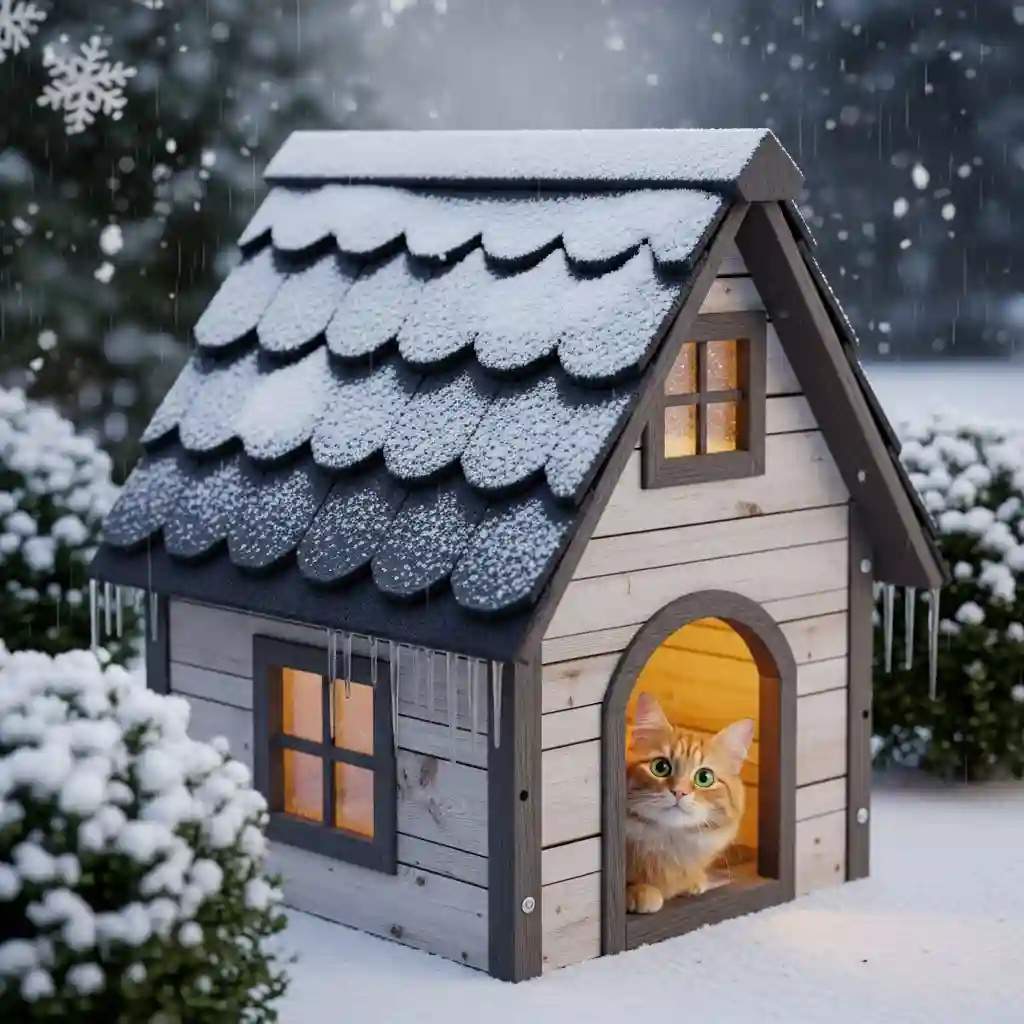
A strong roof keeps the inside dry and protected from snow.
Dry space is key to keeping cats warm.
9. Wind-Protected Placement

Placing the house against a wall or in a sheltered corner blocks cold wind.
Location matters as much as design.
Styling Tips
Use waterproof and insulated materials
Keep the space small to hold heat
Avoid placing the house in open wind areas
Final Thoughts
Keeping outdoor cats warm in winter is about smart design, not expensive builds. Insulation, dryness, and wind protection are the key factors.
With simple changes, you can create a safe and warm shelter that actually works in cold weather.
