


Introduction
Winter can be tough on horses, especially when cold winds, rain, and snow make outdoor living uncomfortable. Without proper shelter, horses can become stressed, lose body heat, and even face health issues.
In this guide, you’ll discover practical and creative horse shelter ideas designed to keep your horse warm, dry, and protected during winter. These ideas focus on insulation, airflow, and comfort—helping you create a safe environment your horse will naturally use.
1. Three-Sided Run-In Shelter with Wind Protection

A three-sided shelter is one of the most effective and simple designs for winter protection. When positioned correctly, it blocks harsh winds while still allowing proper airflow.
Place the open side away from prevailing winds and add a slight roof overhang to prevent rain from blowing inside. This setup keeps your horse dry while maintaining fresh air circulation.
2. Insulated Wooden Shelter
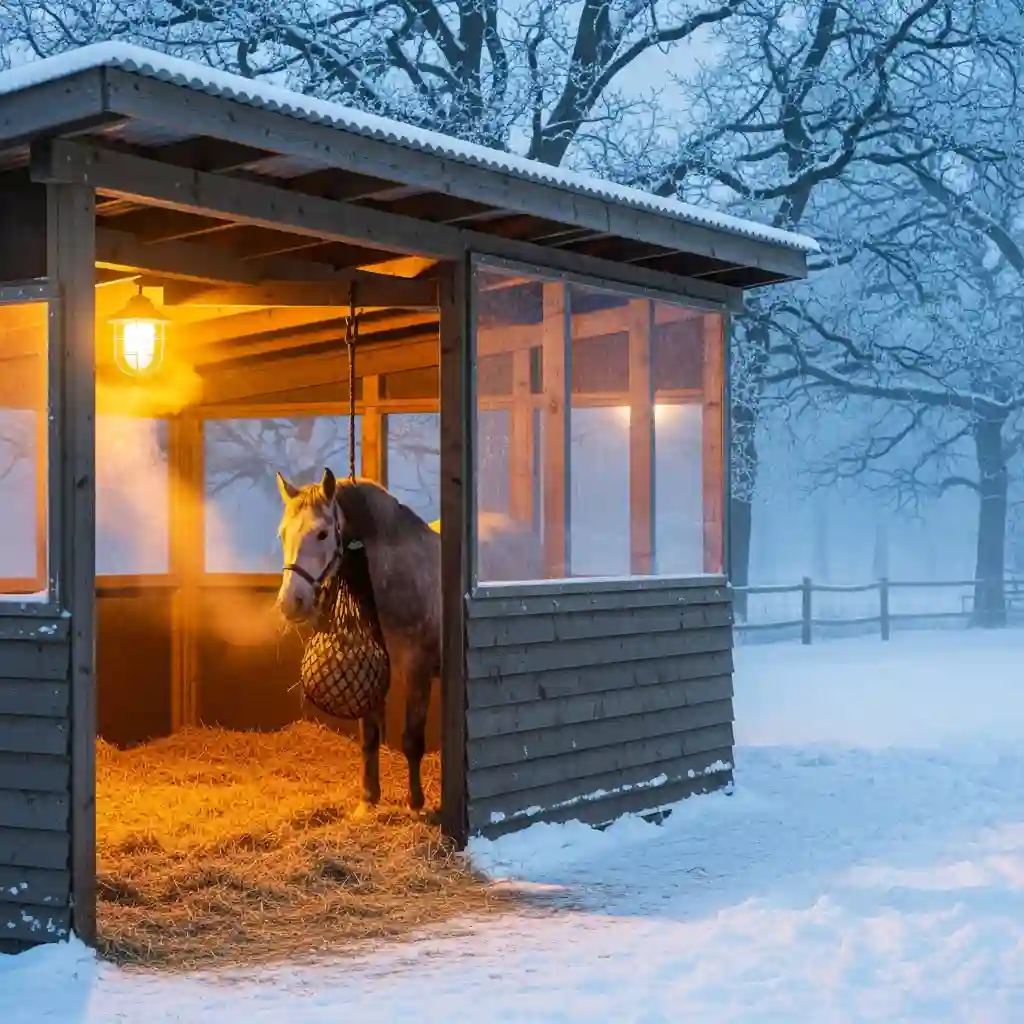
Wood is a natural insulator, making it a great material for winter shelters. Adding insulation between wooden panels helps retain warmth while blocking cold drafts.
This type of shelter creates a stable temperature inside without needing heating systems. It’s ideal for areas with colder climates where extra protection is needed.
3. Deep Bedding Floor System

The flooring inside a shelter plays a big role in warmth. A deep bedding system using straw or shavings creates natural insulation from the cold ground.
As layers build up, they generate slight warmth and keep moisture away. Regular maintenance ensures the space stays dry and comfortable.
4. Portable Shelter for Flexible Positioning

A portable shelter allows you to move it based on weather conditions. This is useful for avoiding muddy areas or repositioning away from strong winds.
These shelters are practical for changing environments and provide consistent protection without permanent installation.
5. Sloped Roof Design for Rain and Snow

A well-designed sloped roof prevents water and snow buildup. This reduces leaks and keeps the shelter interior dry.
The slope should direct water away from the entrance. This simple design feature makes a big difference during heavy winter weather.
6. Rubber Mat Flooring for Dry Comfort

Rubber mats provide a barrier between your horse and the cold ground. They help keep hooves dry and reduce heat loss.
When combined with bedding, they create a comfortable and insulated floor. They are also easy to clean and maintain.
7. Windbreak Panels for Extra Protection

Adding windbreak panels to open sides can significantly improve warmth. These panels block cold air while still allowing ventilation.
They can be temporary or permanent, depending on your needs. This is a great upgrade for existing shelters.
8. Elevated Shelter Base

Building the shelter slightly above ground level prevents water from pooling inside. This keeps the interior dry even during heavy rain.
Proper drainage around the shelter also helps maintain a clean and comfortable environment.
9. Natural Tree Line Shelter

Using natural elements like trees as part of your shelter setup can provide additional wind protection. Trees act as natural barriers against cold winds.
Position your shelter near a tree line for added warmth. This creates a more protected and comfortable space for your horse.
Styling Tips / Extra Value Section
Always focus on both warmth and ventilation. A shelter that is too closed can trap moisture, which leads to discomfort and health issues.
Keep the interior clean and dry by regularly replacing bedding. Wet environments can quickly reduce the effectiveness of your shelter.
Check your shelter for gaps or leaks before winter begins. Small improvements can make a big difference in maintaining warmth and comfort.
Final Thoughts
A good winter shelter is essential for your horse’s health and comfort. By combining proper design, insulation, and maintenance, you can create a space that protects your horse from harsh weather.
Start with simple improvements and build from there. Even small upgrades can significantly improve warmth and dryness during the cold season.
