


Creating a rescue shelter that feels both safe and welcoming is essential for animals and visitors alike. A thoughtful design helps reduce stress for pets, encourages adoptions, and creates a positive experience for everyone involved.
Here are 15 creative ideas to make an animal shelter functional, comfortable, and heartwarming.
1. Cozy Cat Rooms

Design separate cat rooms with soft bedding, vertical shelves, and cozy hideaways. This gives cats their own safe space to relax.
Cats feel more secure in small, enclosed areas with climbing opportunities. Soft textures and gentle lighting help reduce anxiety.
2. Dog Play Yards

Include outdoor play areas for dogs with secure fencing, shade, and water stations. This allows dogs to exercise safely.
Spacious play yards reduce stress and provide a fun environment. Interactive toys and agility equipment make playtime engaging.
3. Quiet Recovery Rooms

Have dedicated quiet spaces for sick or recovering animals. Include soft bedding, low lighting, and minimal noise.
These rooms help animals heal faster and feel safe. They are also easier for staff to monitor health conditions.
4. Warm Bedding Stations

Provide plush beds, blankets, and heating pads where pets can rest comfortably. This is especially important in colder climates.
Warm bedding creates a comforting environment and encourages relaxation. It’s a simple addition that makes a big difference.
5. Safe Outdoor Enclosures

Build outdoor enclosures where cats and dogs can enjoy fresh air safely. Include climbing structures for cats and shaded areas for dogs.
These areas improve mental stimulation and reduce stress. They are also ideal for supervised socialization.
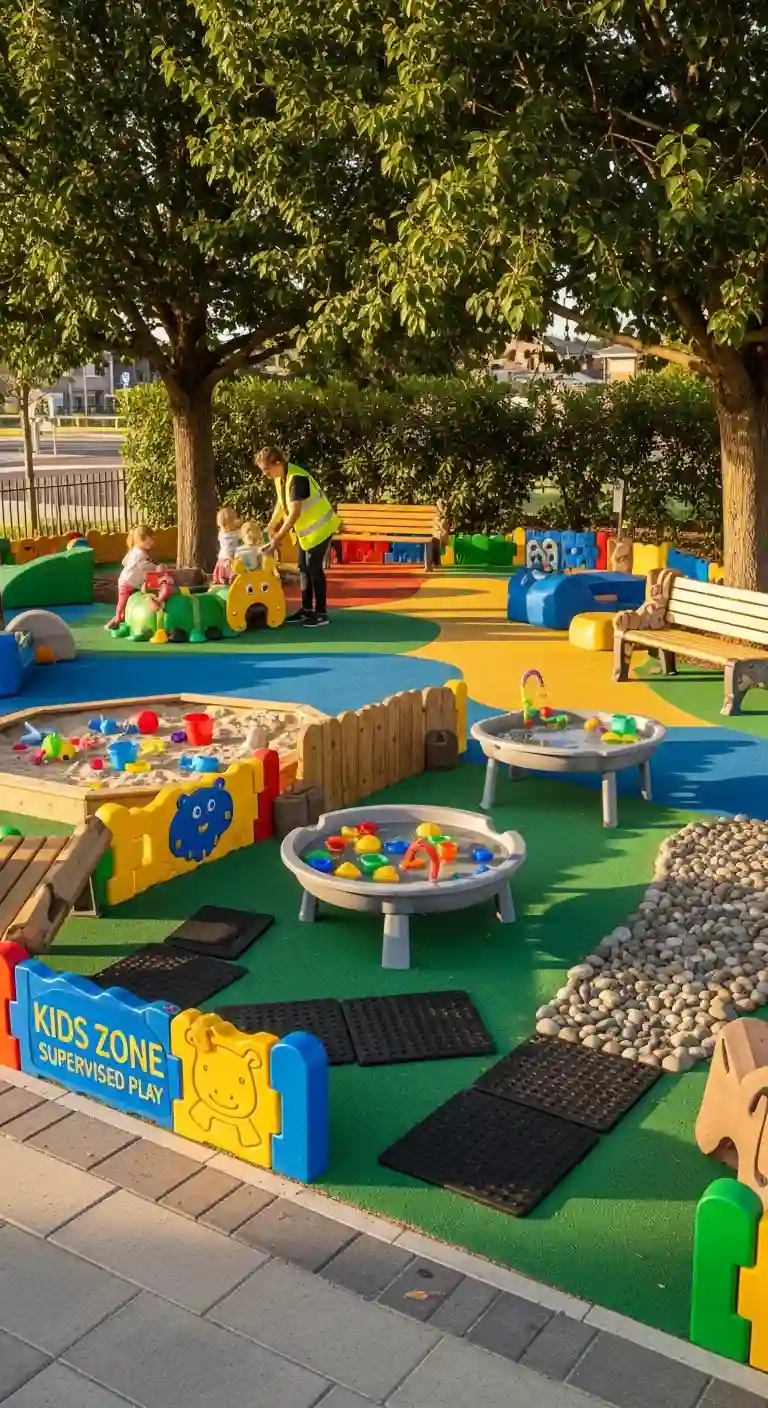
6. Child-Friendly Zones

Create areas where kids can safely interact with animals. Use barriers, benches, and supervised play zones to keep everyone safe.
Engaging children encourages early adoption values. It’s also a fun way for families to bond with pets.
7. Calm Lighting

Use soft, warm lighting throughout the shelter. Avoid harsh fluorescents that can make animals nervous.
Proper lighting creates a welcoming atmosphere for both pets and visitors. It also helps animals feel secure.
8. Clear Signage

Label rooms, feeding areas, and restrooms clearly. Use large, friendly signs to guide visitors.
This reduces confusion and ensures a smooth flow of people. It helps staff manage the shelter more efficiently.
9. Vertical Cat Spaces

Add shelves, ramps, and perches for cats to climb and explore. Vertical spaces are essential for feline enrichment.
Cats feel safer when they can observe from above. This also maximizes space in smaller rooms.
10. Comfortable Waiting Areas

Design a welcoming space for visitors with seating, informational brochures, and photos of adoptable animals.
A comfortable waiting area sets a positive tone. Visitors are more likely to engage and consider adoption.
11. Outdoor Sensory Garden

Create a small outdoor garden with safe plants, paths, and water features. Animals can enjoy the sights, smells, and textures.
This sensory experience reduces stress and promotes natural behaviors. It’s both enriching and therapeutic.
12. Clean Feeding & Water Stations

Set up organized feeding areas with easy-to-clean bowls and water stations. Ensure proper hygiene at all times.
Clean feeding areas improve health and reduce stress. It also keeps the shelter looking professional and welcoming.
13. Volunteer-Friendly Spaces

Provide designated spaces for volunteers with desks, lockers, and instructions for tasks.
Organized volunteer areas make it easier for helpers to contribute. This improves efficiency and fosters a positive working environment.
14. Adoption Event Corners

Design a small area specifically for adoption events with signage, cages, and interactive play stations.
A dedicated adoption corner makes the process smooth and enjoyable. It encourages visitors to meet pets and take them home.
15. Fun Enrichment Toys

Include a variety of toys, scratching posts, and puzzle feeders. Rotate them regularly to keep animals engaged.
Enrichment reduces boredom and destructive behavior. It also keeps animals mentally and physically stimulated.
Final Thoughts
A safe and welcoming shelter benefits both animals and people. By adding cozy spaces, enrichment areas, and organized zones, you create an environment that promotes well-being, adoption, and community engagement. Implementing even a few of these ideas can transform your shelter into a happy and safe haven.
