


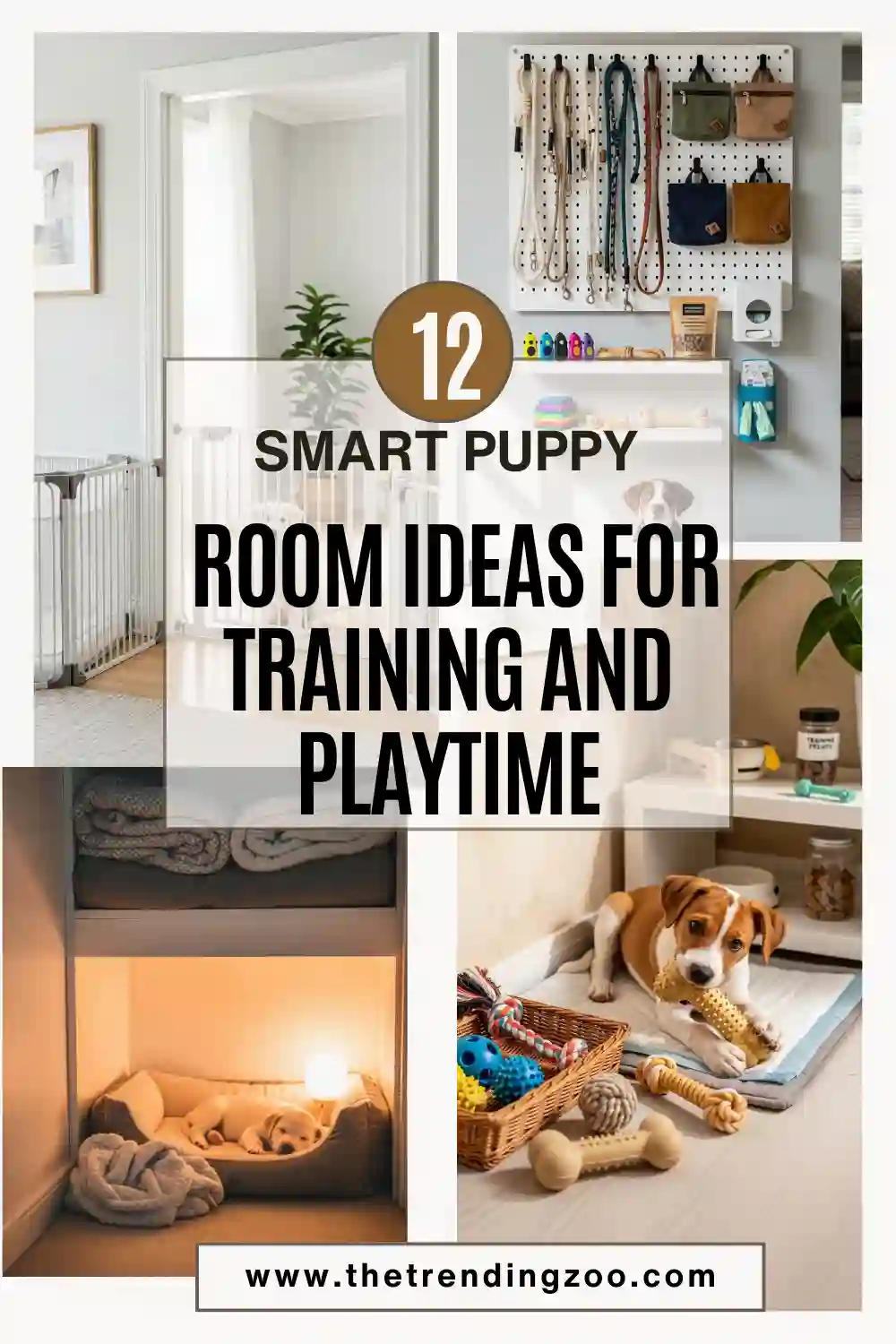
Creating a dedicated puppy room can make training easier, playtime more fun, and everyday routines far less stressful. A well-designed puppy space helps young dogs learn boundaries, stay safe, and burn off energy in a controlled environment while giving owners peace of mind.
These smart puppy room ideas focus on comfort, function, and practicality. Whether you have a small corner or an entire room to work with, the right setup can support training, encourage play, and help your puppy feel secure as they grow.
1. Safe, Puppy-Proof Flooring
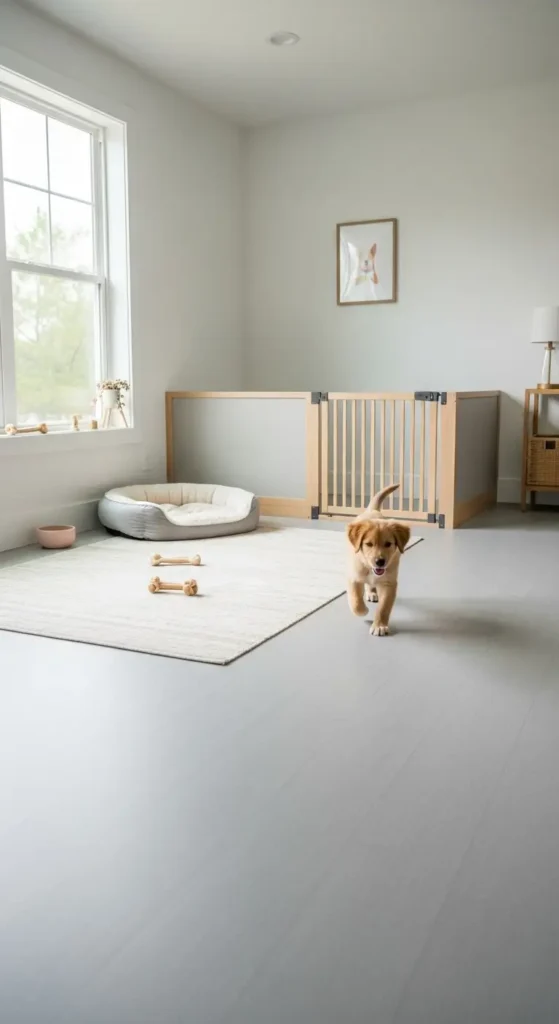
Choosing durable, easy-to-clean flooring is essential for any puppy room. Accidents happen, and having water-resistant surfaces makes cleanup quick and stress-free.
Non-slip flooring also helps prevent slips during zoomies, keeping your puppy safe while they play and learn.
2. Designated Training Zone
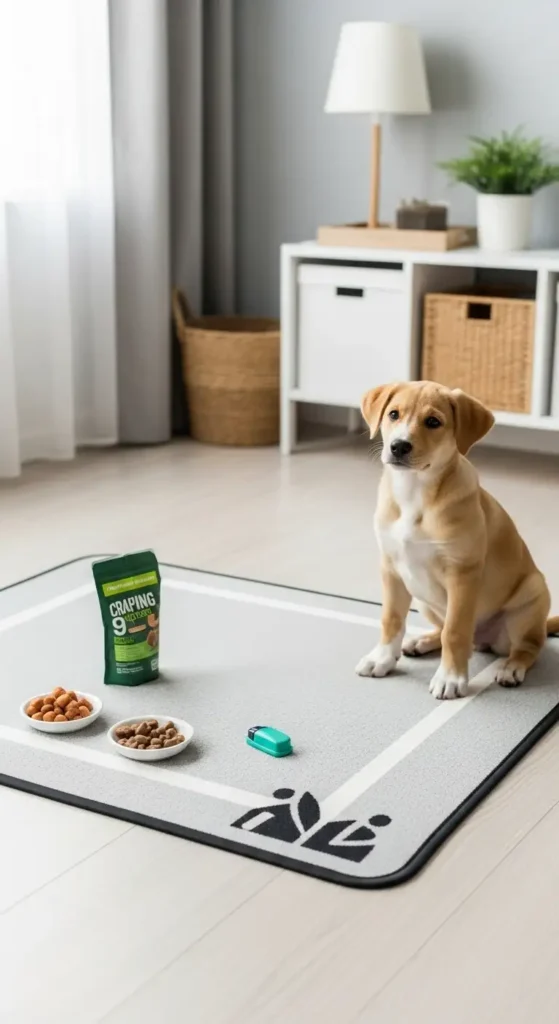
A specific training area helps puppies understand when it’s time to focus. Keeping training tools like treats, clickers, and mats in one spot creates consistency.
This setup reinforces good habits and makes daily training sessions more structured and effective.
3. Comfortable Crate or Sleep Area
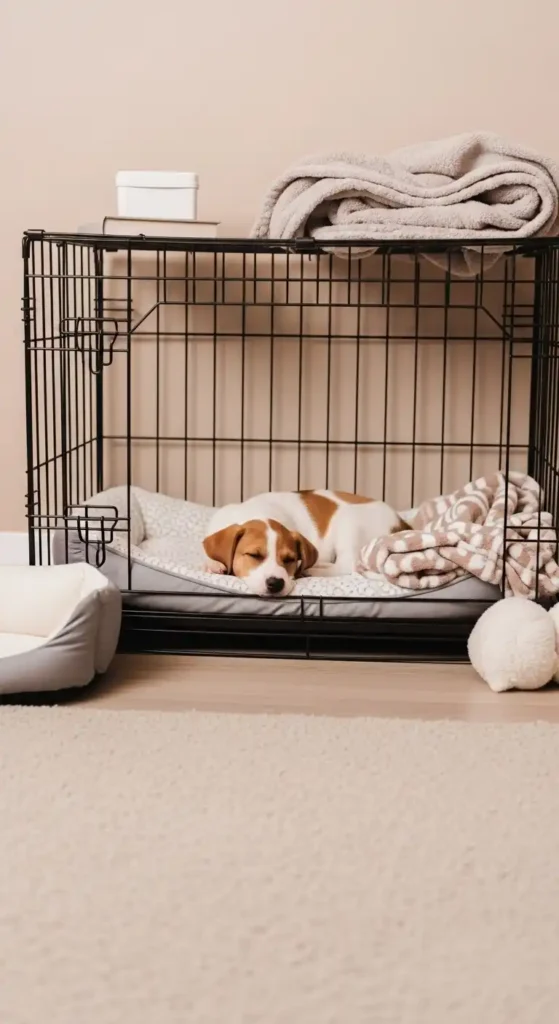
A cozy sleep space gives puppies a place to rest and feel secure between play sessions. Crates or soft beds help establish healthy routines.
This area becomes a calming retreat, teaching puppies the importance of downtime and relaxation.
4. Organized Toy Storage
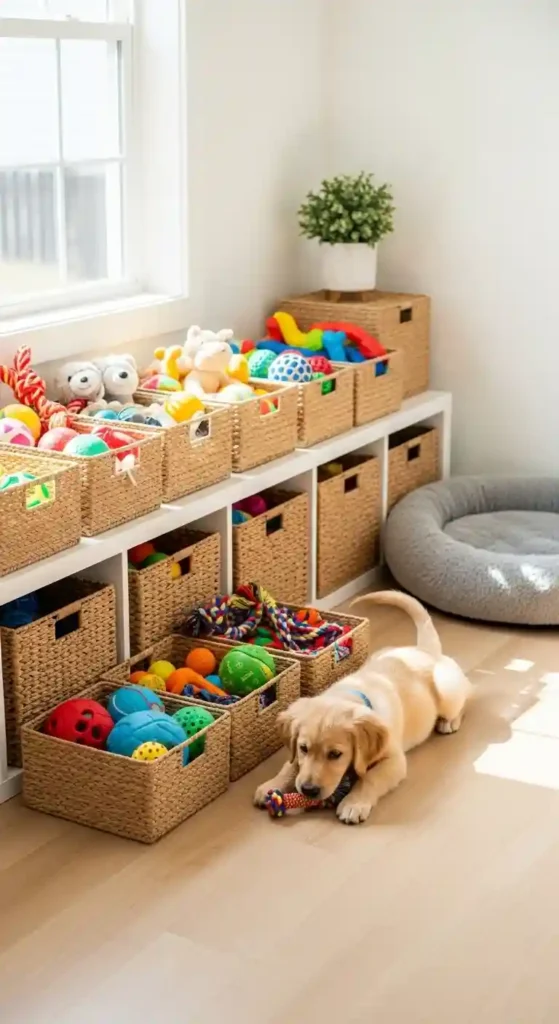
Keeping toys organized prevents overstimulation and clutter. Bins or baskets make it easy to rotate toys and keep the room tidy.
Toy rotation also keeps playtime exciting while encouraging independent play and problem-solving.
5. Interactive Play Zone
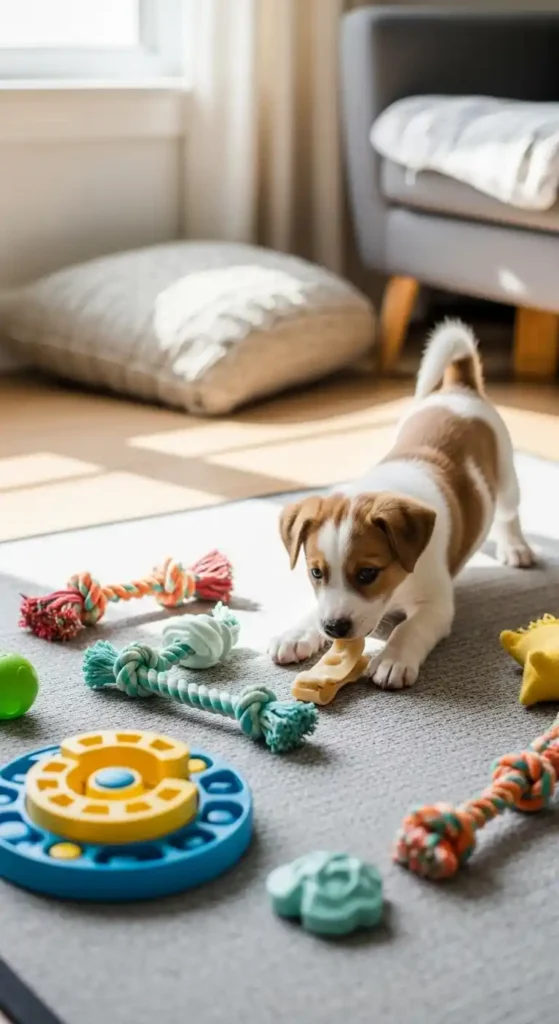
An interactive play area with puzzles, tug toys, and chew-safe items keeps puppies mentally engaged. This helps reduce boredom-related behaviors.
This zone supports healthy energy release while reinforcing positive play habits.
6. Easy-to-Clean Feeding Station
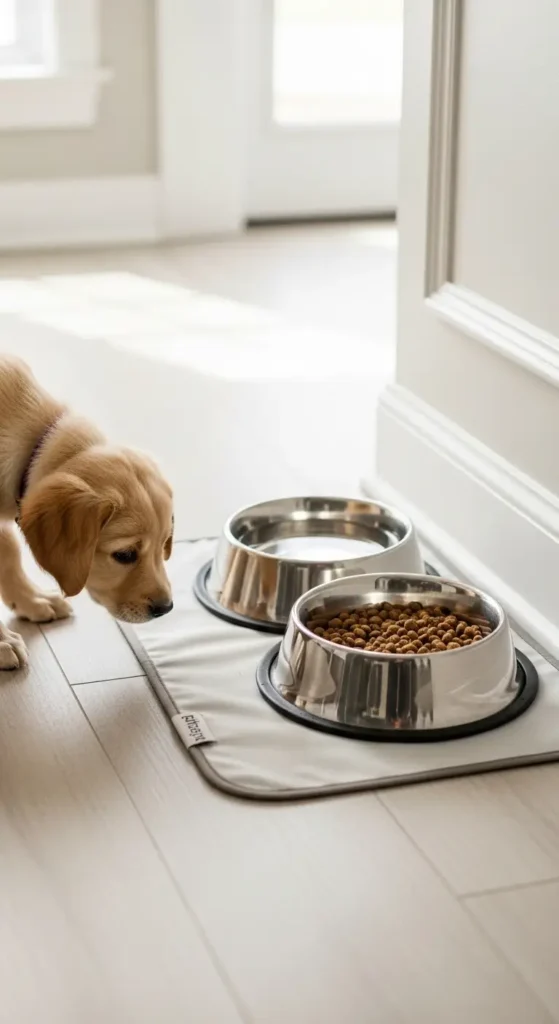
A dedicated feeding area helps puppies learn routine and structure. Spill-proof bowls and washable mats keep the space clean.
Consistency in feeding location supports training and reduces mess throughout the room.
7. Calm-Down Corner
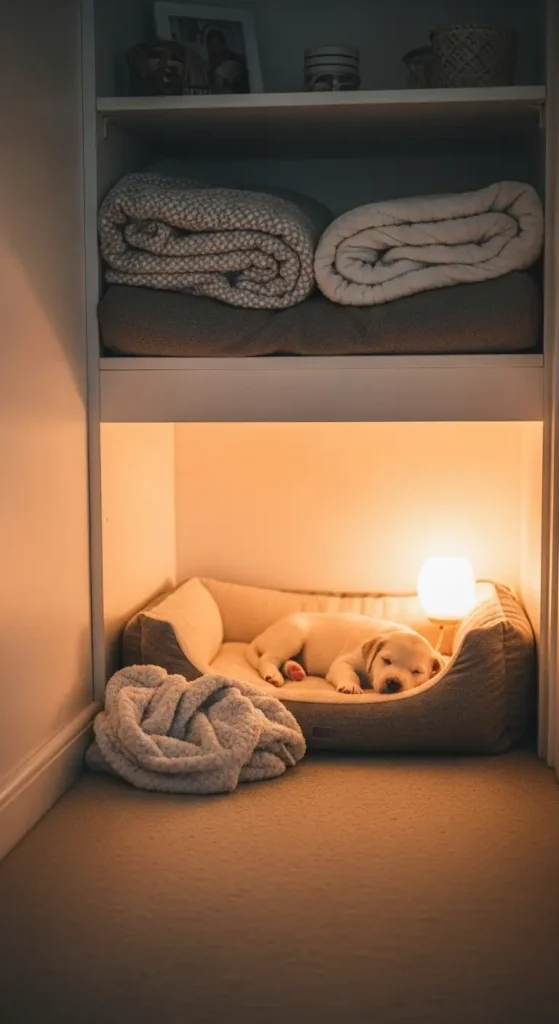
A quiet calm-down corner helps puppies self-regulate when they feel overstimulated. Soft blankets and minimal distractions create a soothing space.
Teaching puppies to relax is just as important as teaching them to play.
8. Puppy-Safe Barriers and Gates
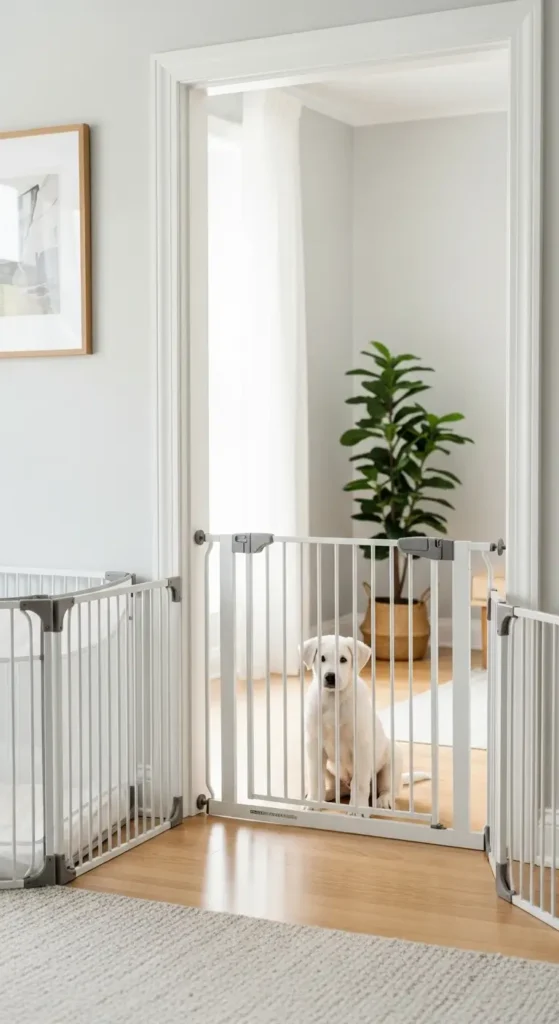
Barriers help define the puppy room and prevent access to unsafe areas. Gates allow visibility while maintaining boundaries.
This setup promotes independence while keeping your puppy secure.
9. Training-Friendly Wall Storage
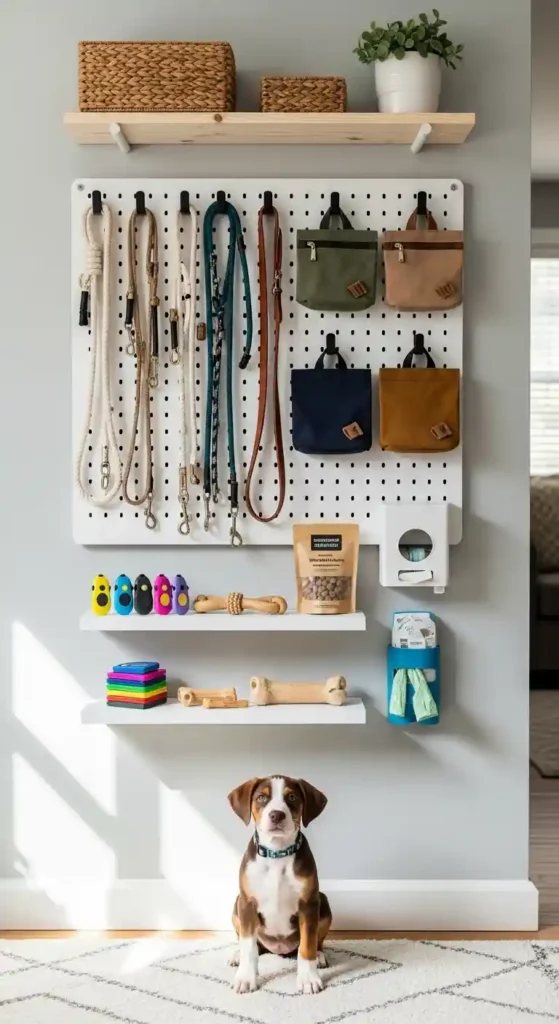
Wall-mounted storage keeps leashes, treats, and supplies within reach but out of puppy’s way.
This organization makes training sessions smoother and keeps the room functional.
10. Durable Chew Station
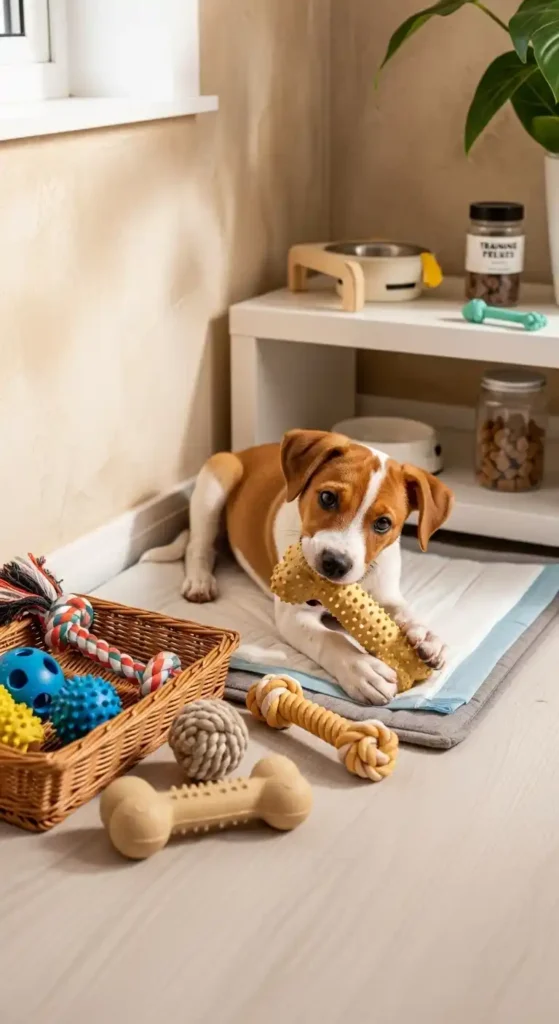
A chew station with approved chew toys protects furniture and helps with teething. Offering choices encourages appropriate chewing.
This area supports healthy dental habits and keeps puppies engaged.
11. Soft Lighting and Noise Control
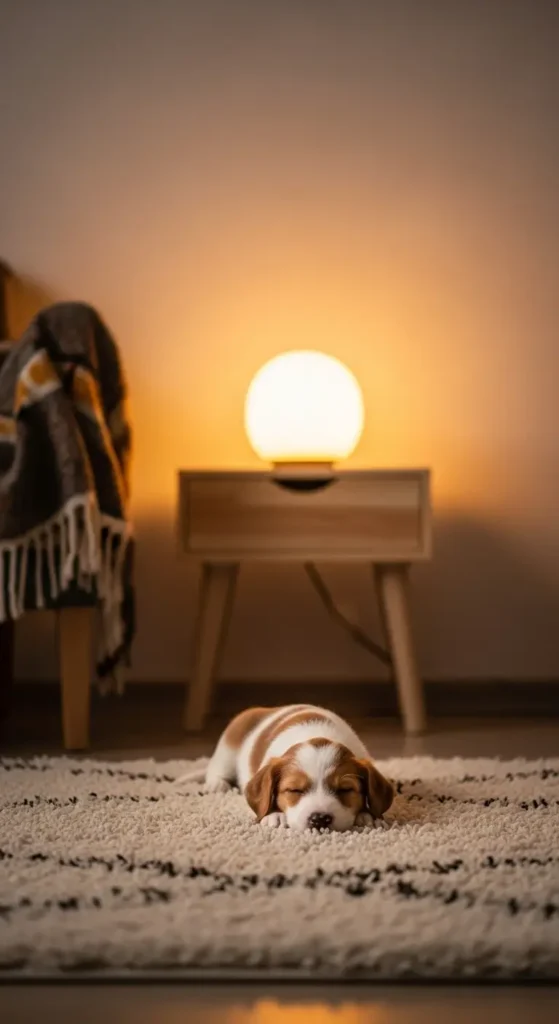
Soft lighting creates a calm atmosphere that reduces stress. Limiting loud noises helps puppies feel safe and focused.
A peaceful environment supports better learning and restful breaks.
12. Flexible, Grow-With-Me Layout
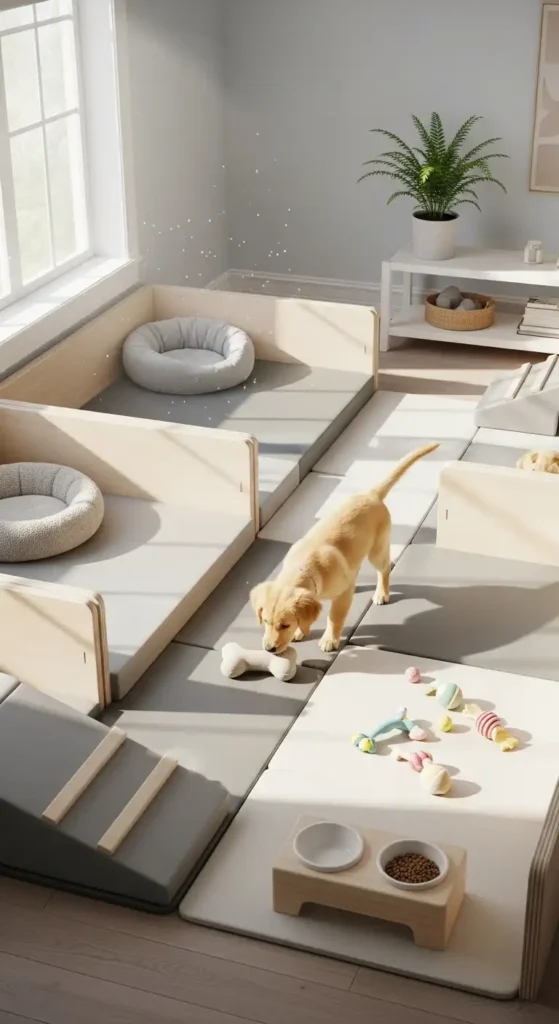
A puppy room should adapt as your dog grows. Adjustable furniture and modular setups allow easy updates over time.
This flexibility ensures the space remains useful beyond the puppy stage.
Final Thoughts
A smart puppy room makes training more consistent, playtime safer, and daily life more enjoyable for both you and your dog. By creating a structured yet comfortable environment, you help your puppy develop confidence and good habits from the start.
With these puppy room ideas, you can design a space that supports learning, play, and rest—setting the foundation for a happy, well-adjusted dog.
