



Winter can be harsh — especially for outdoor and feral cats who don’t have the luxury of indoor heat. Providing a warm, insulated shelter helps protect them from wind, snow, and freezing nights, while giving them a safe, cozy place to rest.
Below are 10 easy and effective winter cat shelter ideas that keep outdoor and feral cats warm, dry, and comfortable throughout the cold season — many of which you can build with affordable materials and basic tools.
1. Classic DIY Insulated Wooden Cat House
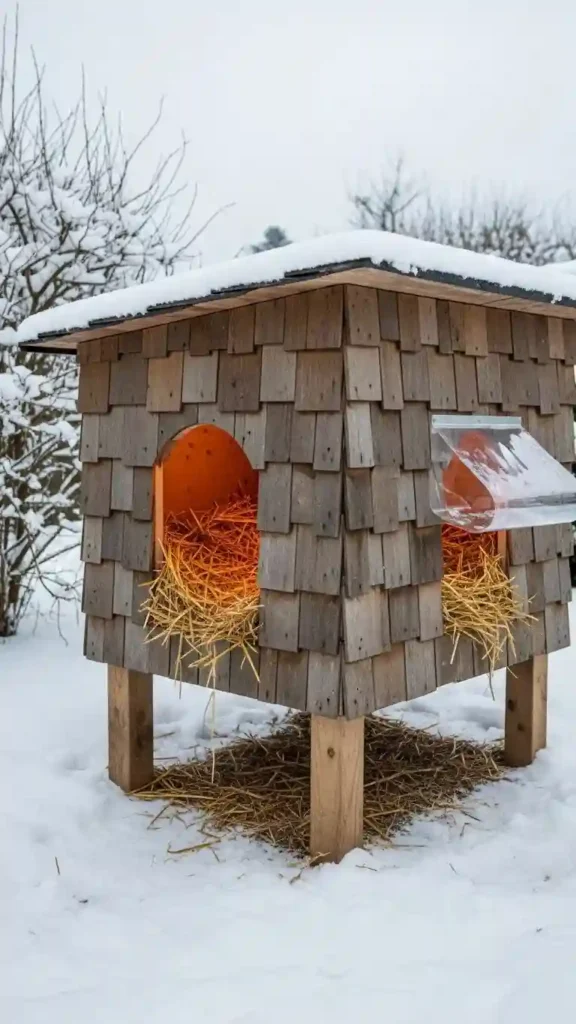
A wooden cat shelter with insulation is one of the most reliable options for winter. Use exterior-grade plywood and line the inside with rigid foam insulation or straw bales to trap heat. Elevate the house slightly off the ground to prevent cold from seeping in.
Why it works: Durable, warm, and long-lasting
Pro tip: Add a small flap over the entrance to keep out drafts and snow.
2. Styrofoam Cooler Cat Shelter
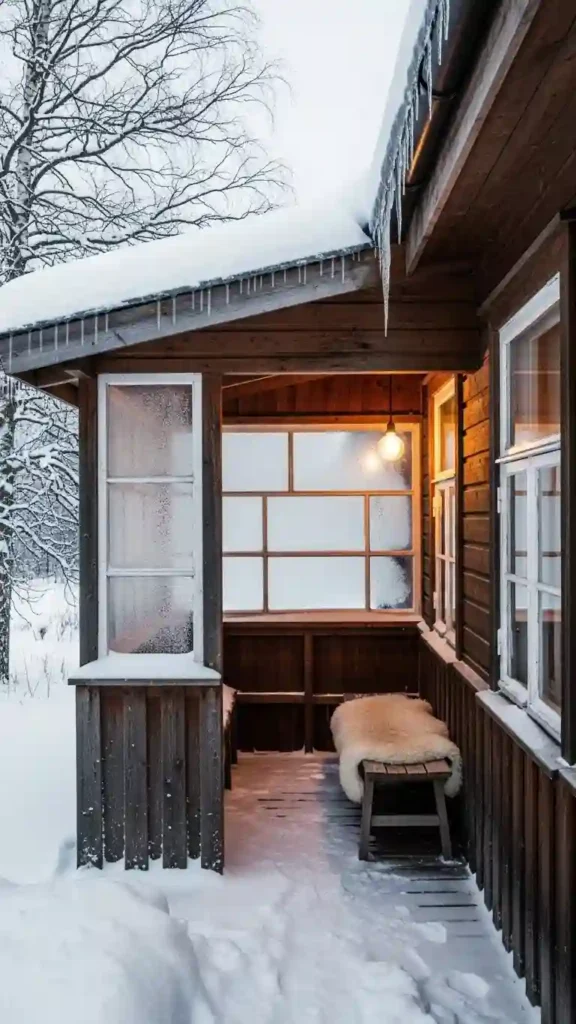
Old coolers make excellent insulated cat houses because they’re already designed to trap warmth. Simply cut a cat-sized entrance, add straw or a self-warming pad, and place it in a sheltered spot.
Benefits:
- Excellent insulation
- Easy to clean
- Lightweight and portable
3. PVC Frame Shelter With Insulated Panels
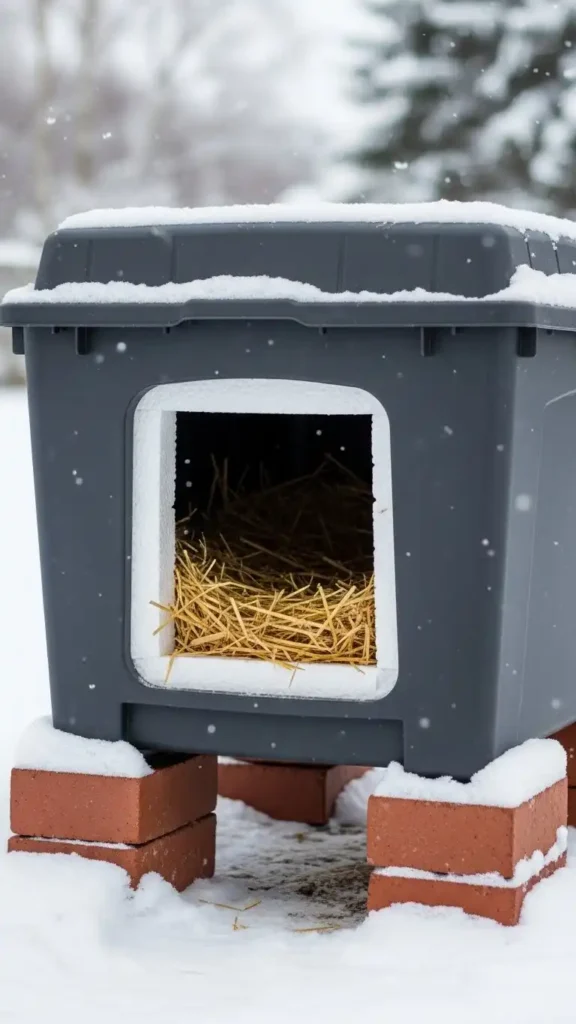
Using PVC pipe and weatherproof fabric or rigid foam insulation panels, you can build a lightweight but sturdy cat shelter with good thermal properties. This design works well if you want a customizable footprint and easy assembly.
Good for: Areas with moderate wind and snow
Bonus: PVC is rust-proof and low-maintenance.
4. Plastic Storage Bin Cozy Shelter
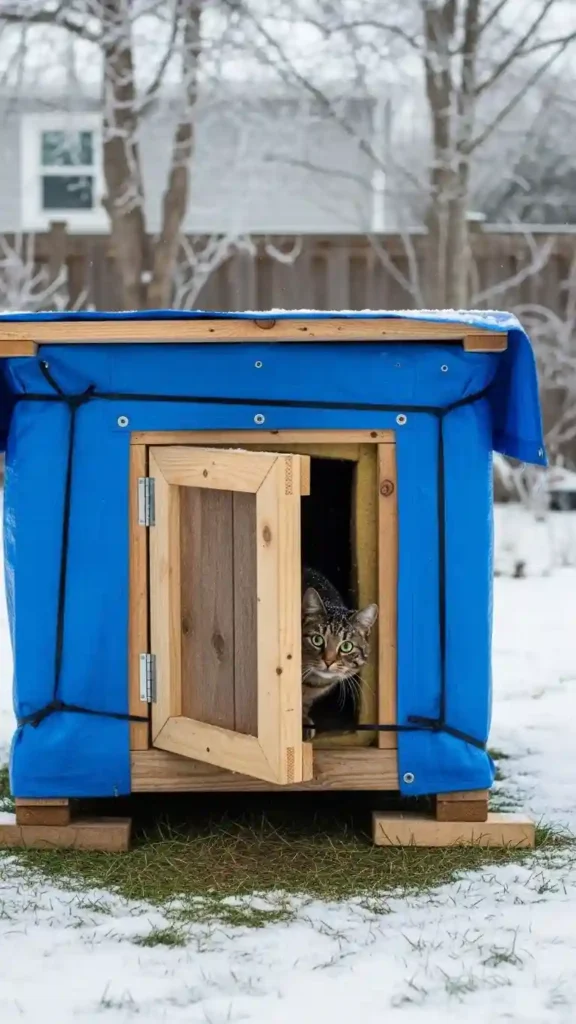
A large plastic bin paired with foam board insulation and straw bedding creates a simple, budget-friendly winter cat shelter. Line walls and the lid with foam board, elevate slightly, and add a cozy straw floor.
Why cats like it: Plastic helps block wind and moisture with minimal fuss.
5. Repurposed Wooden Pallet Shelter
If you have pallets around, they can become the frame of a cozy shelter. Add foam insulation between boards, cover the exterior with a tarp or corrugated plastic, and place straw bedding inside.
Great for: Backyard cat communities
Feature: Natural wood blends into outdoor environments.
6. Igloo-Style Foam Cat House
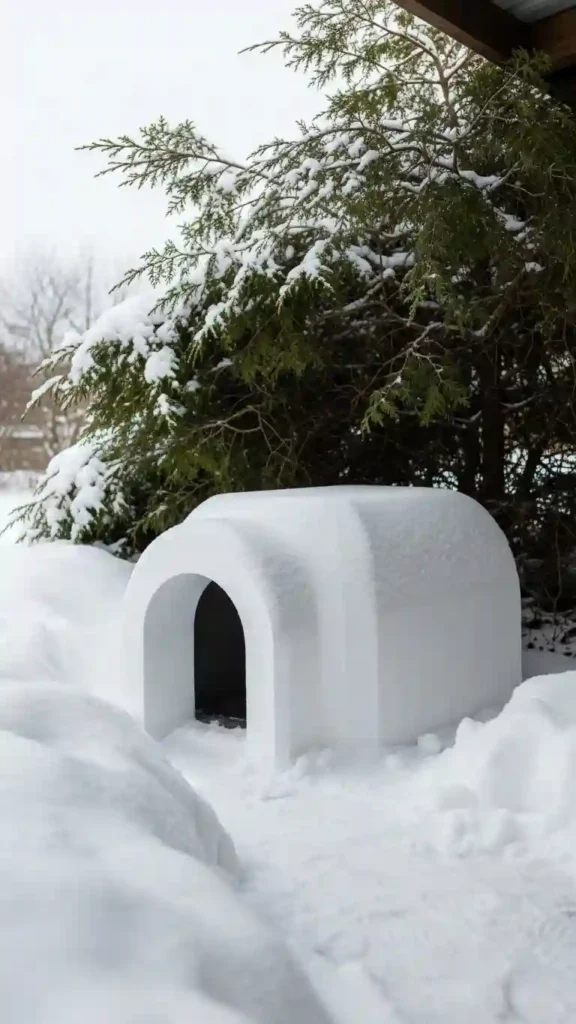
Insulated foam shelters — often shaped like a small igloo — use thick foam walls for excellent thermal retention. You can purchase one or DIY with rigid foam sheets sealed tightly together.
Advantages:
- Extremely warm
- Lightweight
- Easy to position in sheltered spots
7. Heated Outdoor Cat Shelter With Safe Heat Pad
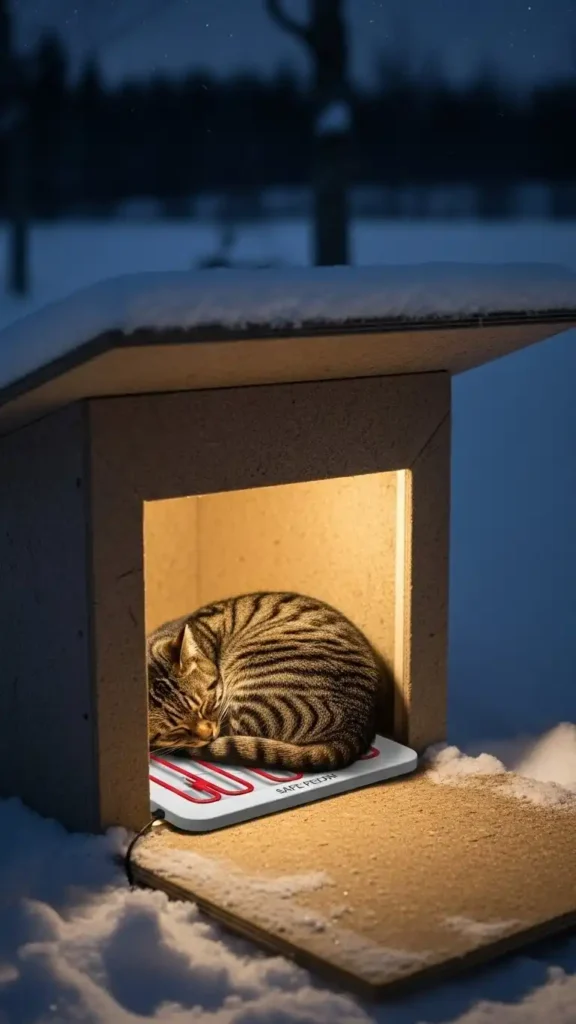
Include a low-wattage outdoor-rated heating pad designed for pets inside any insulated shelter. Pair it with straw or cedar bedding and a secure house footprint.
Safety tips:
- Use outdoor-rated heating pads
- Ensure cords are protected from chewing
- Keep bedding clean and dry
8. Elevated Winter Cat House on Legs

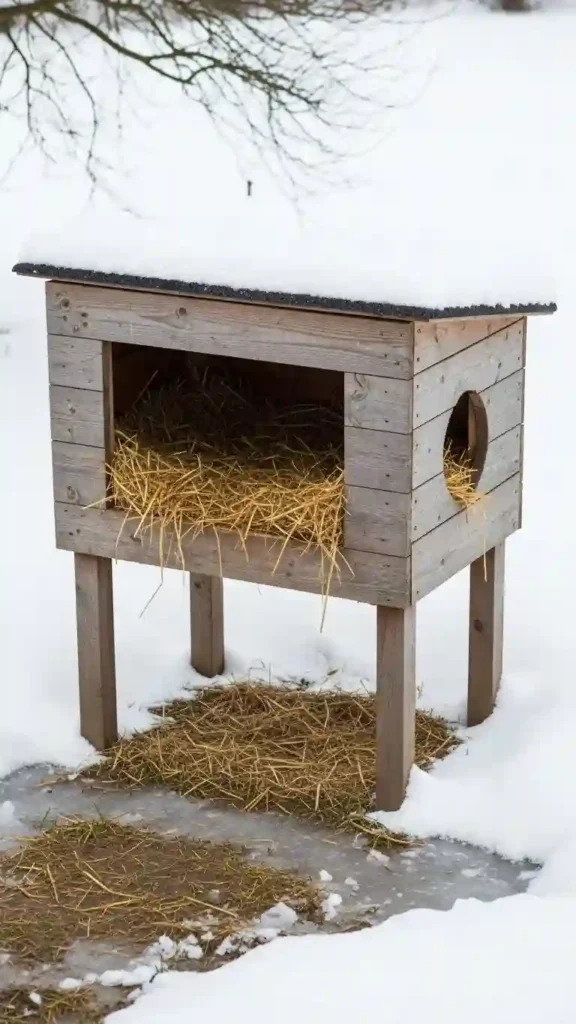
Raise your shelter off the wet ground by using wooden legs or cement blocks. This prevents dampness and reduces heat loss through the floor.
Best for: Wet winter climates
Bonus: Add a ramp or mini stair for creature comfort.
9. Insulated Cat Shelter With Covered Porch

Add a small covered porch or vestibule — a buffer zone that blocks wind before cats enter the main sleeping area. This design is especially effective in snowy, windy regions.
Why it’s effective: Adds a windbreak without extra heating.
10. Indoor-Outdoor Dual Shelter Using Storage Cabinet
If you have an unused outdoor storage cabinet or small shed, convert a section into a cat shelter. Line walls and floor with insulation, add a flap over the entrance, and include cozy bedding.
Great for: Multiple cats or large communal shelters
Feature: Extra space for food and water separation.
Winter Bedding & Warmth Tips for Outdoor Cats
✅ Use straw — not hay or blankets: Straw repels moisture and retains heat better.
✅ Keep bedding dry: Check shelters regularly and replace damp straw.
✅ Avoid fabrics that absorb moisture: Blankets and towels can trap dampness.
✅ Place shelters in wind-protected areas: Near buildings or shrubs blocks cold gusts.
✅ Add entrance flaps: Heavy vinyl or rubber strips help keep warm air in and cold air out.
Frequently Asked Questions
How cold is too cold for outdoor cats?
Cats start feeling stress when temperatures drop below 45 °F (7 °C), and freezing conditions are dangerous — insulated shelter and dry bedding are essential.
Can I use blankets in outdoor shelters?
Blankets retain moisture and can become cold and damp. Straw or self-warming pet pads are safer and more effective.
Should food and water be inside the shelter?
Food should be near the shelter but not inside where it may attract pests. Provide fresh, unfrozen water nearby — use heated bowls if possible.
