
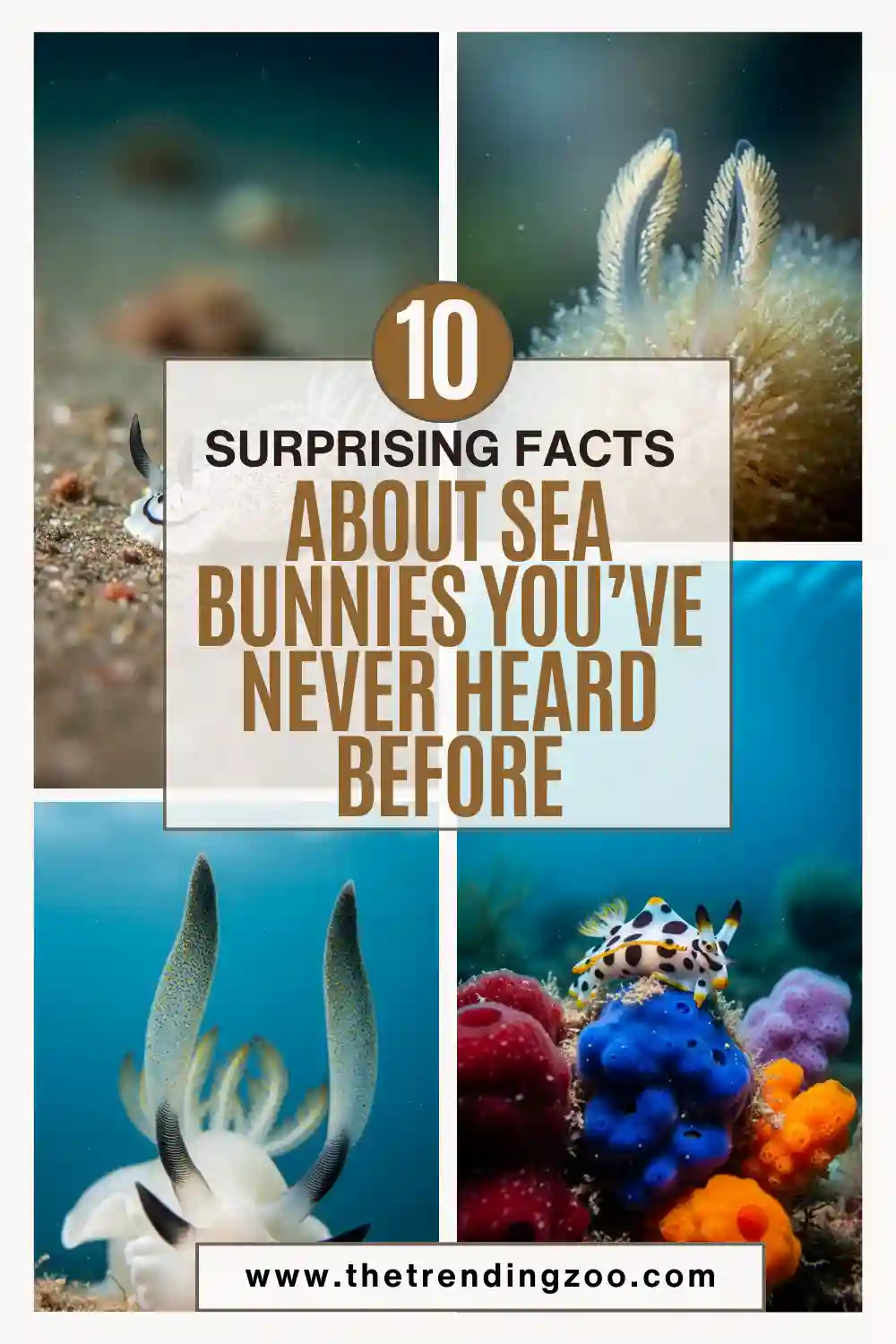
Sea bunnies look like tiny underwater plush toys, but there’s far more to them than their adorable appearance. These fuzzy-looking sea slugs have captured hearts online, yet most people know very little about their fascinating lives. Get ready to dive into 10 surprising facts about sea bunnies that make them even more incredible.
1. Sea Bunnies Are Actually Sea Slugs
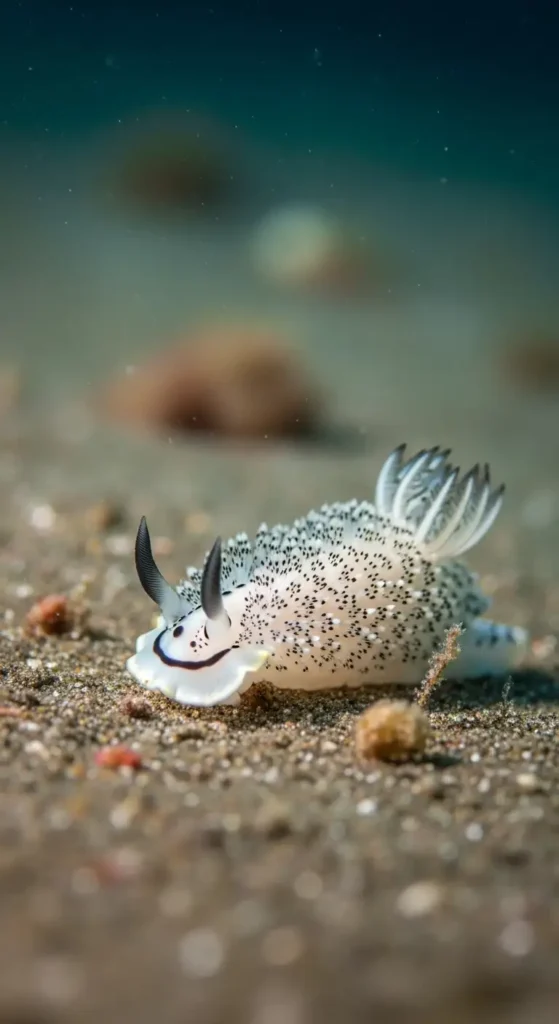
Despite their cute nickname, sea bunnies are a type of nudibranch, a group of soft-bodied marine mollusks. They have no shells and rely on other survival strategies to thrive in the ocean.
2. Their “Fur” Isn’t Fur at All

The fluffy texture covering sea bunnies is made of tiny sensory structures called cilia. These help them feel their surroundings and may also aid in movement and sensing chemicals in the water.
3. Those Bunny Ears Are Sensory Organs
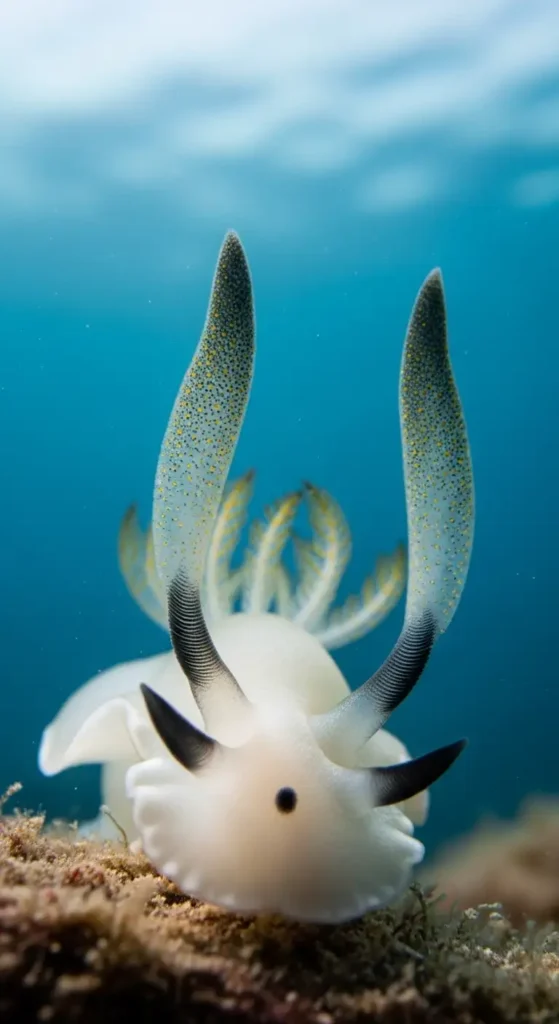
The ear-like shapes on top of their heads are called rhinophores. Sea bunnies use them to detect scents and chemicals in the water, helping them locate food and mates.
4. Sea Bunnies Can Be Toxic
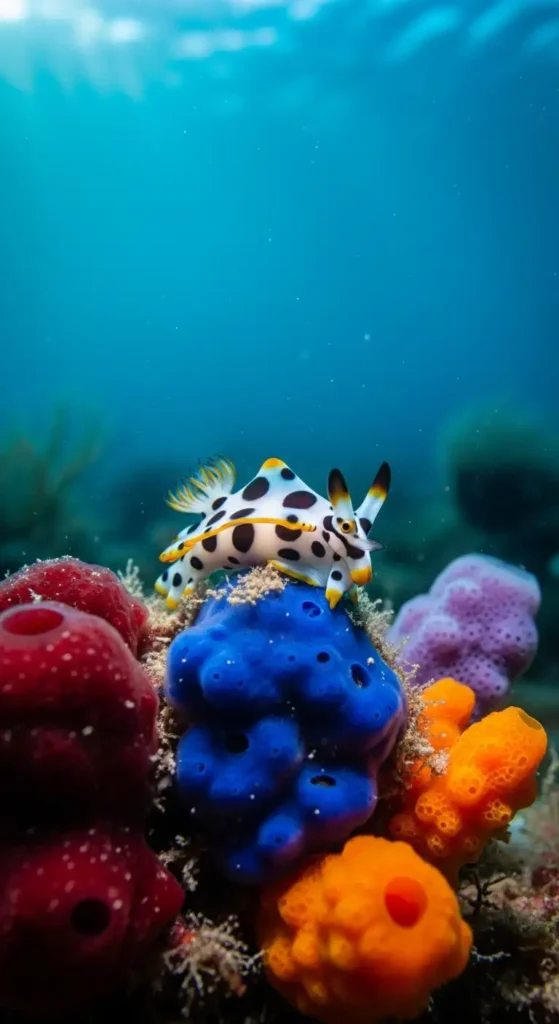
Although they look harmless, sea bunnies can absorb toxins from their prey, such as sponges. These toxins make them unappealing or dangerous to predators.
5. They Come in More Colors Than You Think
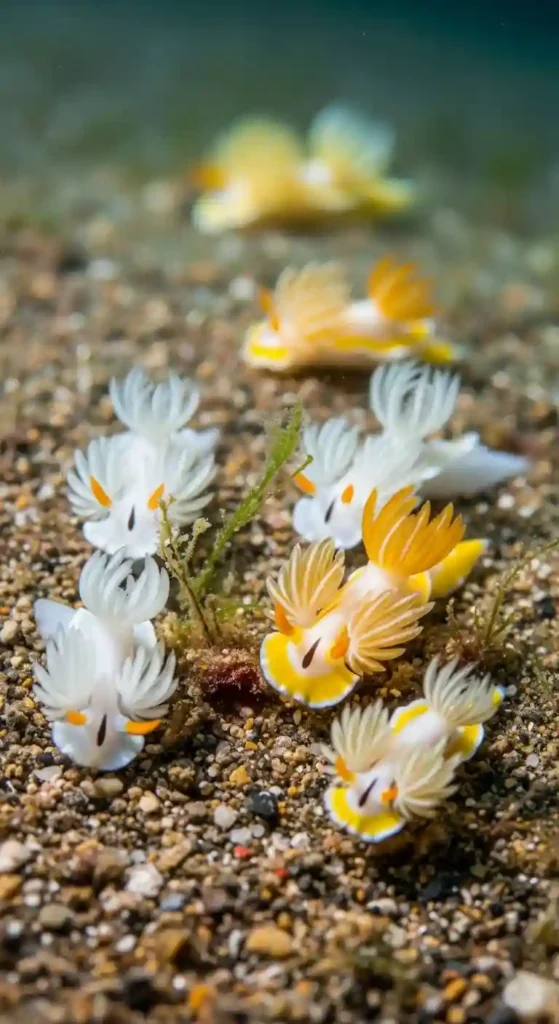
While white is the most famous color, sea bunnies can also appear yellow, orange, brown, or even spotted, depending on their species and habitat.
6. Sea Bunnies Live in Cold Ocean Waters
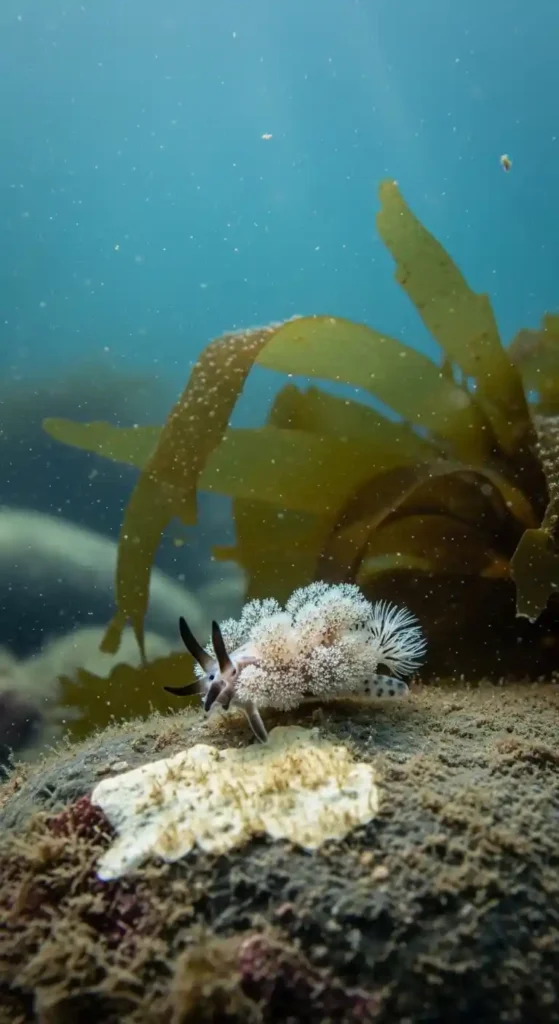
Sea bunnies are most commonly found in cold waters, particularly around the coasts of Japan and the North Pacific. They thrive in environments most people wouldn’t expect for such a cute creature.
7. They Are Hermaphrodites
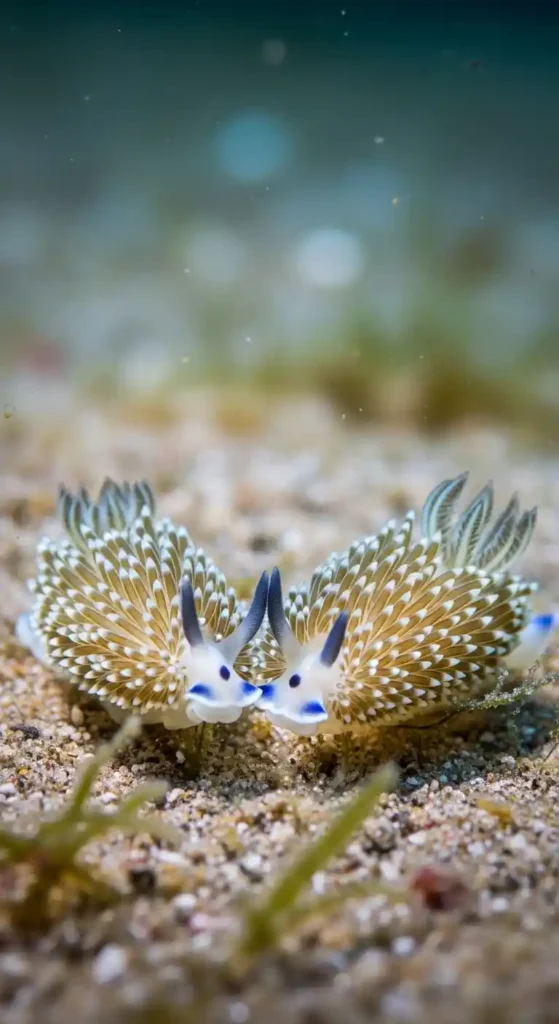
Sea bunnies possess both male and female reproductive organs. When two meet, they can both fertilize each other, increasing their chances of reproduction.
8. Sea Bunnies Are Slow Movers
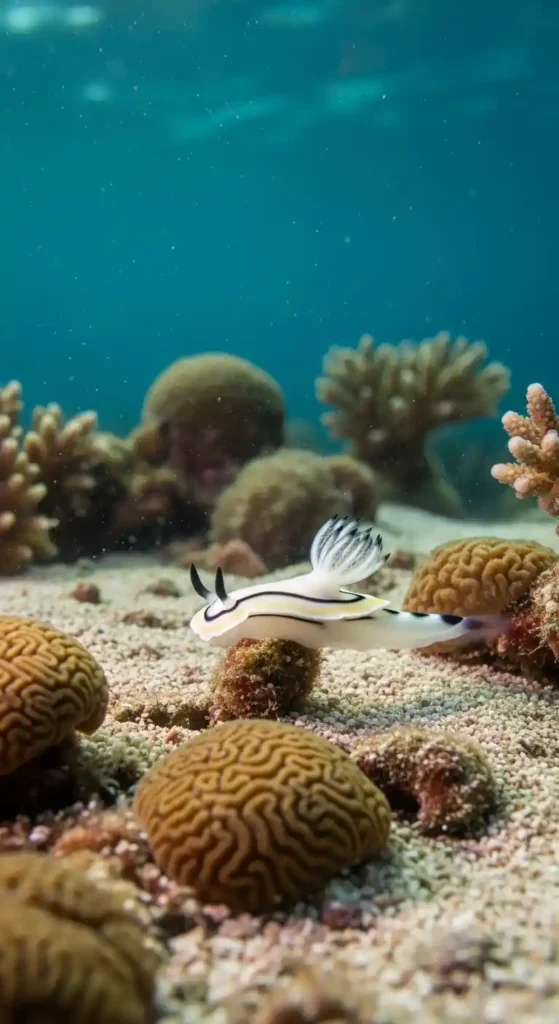
These tiny creatures move very slowly across the ocean floor. Their gentle gliding adds to their charm but also means they rely heavily on camouflage and toxins for protection.
9. Their Cute Look Is a Defense Strategy
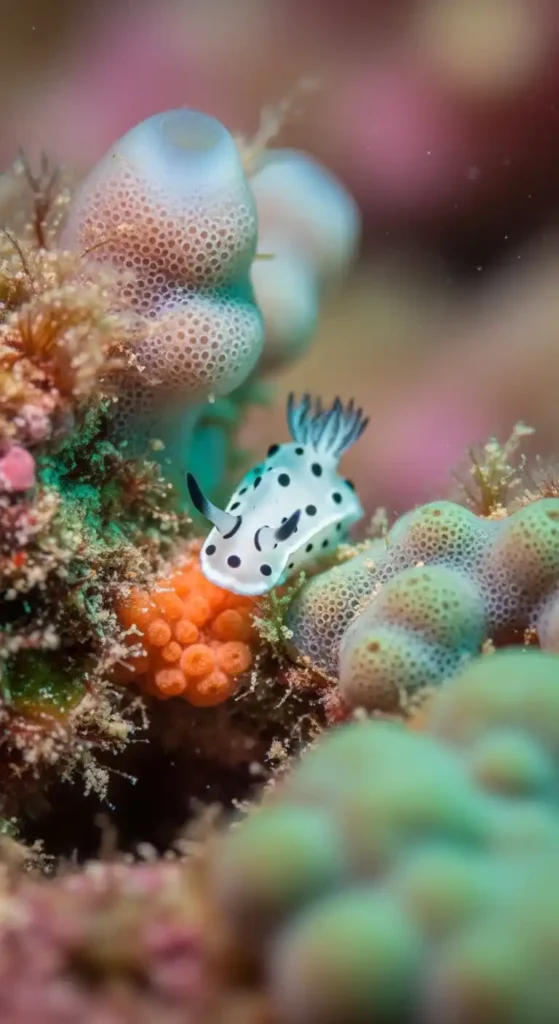
Their soft, fuzzy appearance may help disguise them among sponges and coral, making it harder for predators to recognize them as prey.
10. They’ve Become Internet Sensations
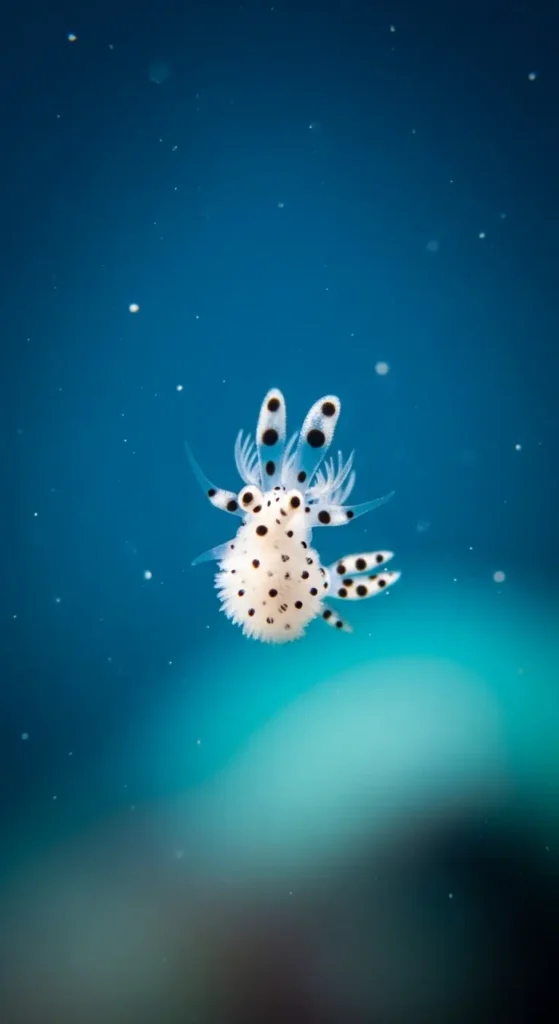
Thanks to their bunny-like appearance, sea bunnies have gone viral across social media. Videos and photos of them often surprise viewers who can’t believe such a creature exists in real life.
Final Thoughts
Sea bunnies prove that the ocean is full of surprises. Beneath their adorable appearance lies a fascinating marine animal with unique adaptations and survival skills. The next time you see a sea bunny online, you’ll know there’s much more to this tiny ocean wonder than meets the eye.